Why Homes Near the Chattahoochee River in Vinings Experience Faster Roof Aging
The Chattahoochee River creates a unique microclimate in Vinings where homes experience roof aging at a rate 30-40% faster than properties just a few miles inland. The combination of elevated humidity levels, consistent moisture exposure, and specific wind patterns creates conditions that accelerate shingle deterioration, promote algae growth, and compromise roof decking integrity.
Homeowners in Vinings often notice dark streaks, curling shingles, and premature granule loss within 8-12 years of installation, compared to the 15-20 year lifespan typical for Atlanta’s inland areas. This accelerated aging isn’t random—it’s a direct result of living in a riparian zone where the river’s influence extends well beyond its banks.. Read more about How We Recycle Your Old Asphalt Shingles After a Roof Replacement in Decatur.
The Science Behind River-Proximity Roof Degradation
The Chattahoochee River creates a localized humidity bubble that affects everything from roof shingle composition to attic ventilation requirements. Understanding these mechanisms helps explain why Vinings homes need different roofing strategies than properties in Sandy Springs or Smyrna. Roofing Dunwoody.
Humidity Amplification Effect
The river’s surface area continuously releases moisture into the air, creating a microclimate with relative humidity levels that average 72-78% compared to Atlanta’s metro average of 65-70%. This 7-13% difference might seem small, but it significantly impacts how roofing materials absorb and retain moisture.
Asphalt shingles are designed to repel water, not absorb it. However, in high-humidity environments, the microscopic gaps between granules and the porous nature of the asphalt base allow moisture to penetrate deeper into the shingle structure. This moisture absorption causes:
- Expansion and contraction cycles that stress the shingle’s internal structure
- Accelerated oxidation of the asphalt base
- Increased susceptibility to UV damage as moisture weakens the protective layers
Thermal Shock and Expansion
Homes near the Chattahoochee experience more dramatic temperature swings between day and night. The river moderates daytime temperatures but allows for sharper nighttime cooling, creating thermal shock conditions that inland properties don’t face.
When shingles repeatedly expand in the afternoon heat and contract in the evening cool, the adhesive bonds between layers weaken. This process, called delamination, is accelerated by the constant moisture presence that prevents the shingles from fully drying between cycles.
Wind Pattern Amplification
The river valley creates unique wind patterns that funnel air through the Vinings area. These channeled winds carry more moisture and debris than typical Atlanta breezes, depositing organic material on roofs that retains water and promotes biological growth.
The prevailing southwest winds that follow the river’s course hit homes at specific angles, creating pressure differentials that can force moisture under shingles during heavy rain events. This is particularly problematic for homes on elevated lots that face the river valley directly.
Specific Damage Patterns in Vinings
Understanding the visible signs of river-influenced roof damage helps homeowners identify problems early. The damage patterns in Vinings differ from typical Atlanta roof issues in both appearance and progression rate.
Gloeocapsa Magma Growth
The black streaks commonly seen on Vinings roofs are caused by Gloeocapsa magma, a cyanobacteria that thrives in the high-humidity, low-sunlight conditions created by the river microclimate. This organism feeds on the limestone filler in asphalt shingles, gradually breaking down the material’s structural integrity.
In Vinings, Gloeocapsa growth often appears within 3-5 years of installation, compared to 7-10 years in drier Atlanta neighborhoods. The growth pattern typically starts on north-facing slopes where morning fog from the river settles and doesn’t burn off quickly.
Shingle Buckling and Cupping
The moisture-induced expansion of shingles causes them to buckle upward at the edges, creating a wavy appearance across roof planes. This buckling is most pronounced during humid summer months when the shingles can’t release absorbed moisture quickly enough.
Cupping occurs when the bottom edge of a shingle curls upward while the center remains relatively flat. This creates channels that trap water and accelerate deterioration. Homes in Vinings show cupping patterns 2-3 years earlier than comparable properties in Atlanta’s Piedmont region.
Accelerated Granule Loss
The constant moisture exposure causes the adhesive bonds holding granules to weaken faster than in drier climates. When combined with the wind-driven debris common in river valleys, this leads to premature granule loss that exposes the asphalt base to UV damage.
Homeowners in Vinings often notice significant granule accumulation in gutters within 5-7 years of installation, compared to 10-12 years for homes in areas like Dunwoody or Alpharetta.
Attic Ventilation: The Hidden Factor
While the exterior damage from humidity is visible, the interior attic conditions in Vinings homes often create equally severe problems. The river’s influence extends into attic spaces, where trapped moisture can destroy roof decking and insulation. Attic Ventilation Systems.
Moisture Migration Patterns
Everyday household activities—cooking, showering, laundry—release moisture vapor that rises through the home. In typical Atlanta homes, this moisture escapes through adequate attic ventilation. However, Vinings homes face a unique challenge: the outdoor air is often more humid than the indoor air.
This creates a situation where opening attic vents to release moisture actually allows more humid air to enter, creating a moisture trap. The result is sustained humidity levels above 70% in attic spaces, even with functioning ventilation systems.
Decking Rot and Structural Damage
Prolonged exposure to high humidity causes plywood roof decking to absorb moisture and begin deteriorating. The first signs are often subtle—a spongy feel when walking on certain roof sections or dark discoloration on the underside of decking.
As the wood absorbs moisture, it expands, putting pressure on fasteners and creating stress points that lead to nail pops and fastener failure. In severe cases, the decking can delaminate, creating soft spots that compromise the entire roof structure.
Insulation Degradation
Fiberglass insulation loses its effectiveness when it absorbs moisture, dropping from an R-value of 3.0-3.7 per inch to as low as 1.5-2.0. This moisture absorption is particularly problematic in Vinings homes where the combination of river humidity and poor attic ventilation creates ideal conditions for insulation saturation.
The reduced insulation effectiveness leads to higher cooling costs and creates temperature differentials that cause additional stress on roofing materials.
Code Requirements and Building Standards
Georgia’s building codes recognize the unique challenges of high-humidity environments, but many Vinings homes were built before these requirements were fully implemented. Understanding current standards helps homeowners identify whether their properties meet modern moisture management requirements.
Georgia State Minimum Standard Residential Code
The current Georgia code (based on the International Residential Code with state amendments) requires specific ventilation ratios for homes in high-humidity zones. Section R806.2 mandates 1 square foot of net free ventilation area for every 150 square feet of attic space, with adjustments for homes near bodies of water.
For Vinings properties, the code effectively requires 1:120 ventilation ratios due to the river proximity, though this is often achieved through prescriptive compliance rather than specific calculations.
Drip Edge Requirements
Recent Georgia code updates (effective 2021) strengthened drip edge requirements to address the specific water management needs of humid environments. Section R905.2.8 now requires extended drip edges on all roof edges, with additional length requirements for homes in designated high-moisture zones.
The code specifies a minimum 4-inch drip edge extension for homes within 1,000 feet of the Chattahoochee, compared to the standard 2-3 inch requirement for other areas.
Underlayment Specifications
Georgia’s humid climate requirements mandate specific underlayment types that provide better moisture barriers than standard felt paper. The code requires synthetic underlayment with a minimum perm rating of 0.5 in high-humidity zones, compared to 5.0 for standard materials.
This 10-fold difference in moisture permeability significantly impacts how well a roof can manage the constant moisture exposure typical of Vinings properties.
Preventative Solutions for River-Proximity Homes
Addressing the unique challenges of Vinings’ river-influenced environment requires specialized approaches that go beyond standard roofing practices. These solutions target the specific failure mechanisms that affect homes in this microclimate.
Enhanced Ventilation Systems
Standard attic ventilation often proves inadequate for Vinings homes. Enhanced systems include:
- Power-assisted ridge vents that maintain consistent airflow regardless of wind conditions
- Solar-powered attic fans that actively exhaust moisture-laden air
- Intake vents with vapor barriers to prevent humid outdoor air from entering
These systems maintain attic humidity levels below 60%, even during Atlanta’s most humid months, preventing the moisture buildup that leads to decking rot and insulation degradation.
Algae-Resistant Shingles
Modern algae-resistant shingles contain copper or zinc granules that release trace amounts of metal ions that inhibit biological growth. For Vinings homes, these specialized shingles can extend the time before visible algae growth appears from 3-5 years to 8-10 years.
The most effective products contain a higher concentration of algae-inhibiting granules on the portion of the shingle most exposed to moisture—typically the bottom 20% that faces the prevailing river winds.
Moisture-Managed Underlayment Systems
Advanced underlayment systems for Vinings homes include:
- Self-adhering ice and water shields on all roof planes, not just valleys
- Synthetic underlayment with integrated vapor barriers
- Secondary moisture barriers at critical penetration points
These systems create multiple layers of protection against the constant moisture exposure that characterizes the river microclimate.
Regular Maintenance Protocols
Homes near the Chattahoochee require more frequent maintenance than typical Atlanta properties. A comprehensive maintenance schedule includes:
- Bi-annual roof inspections focusing on algae growth patterns and moisture damage
- Annual gutter cleaning to prevent water backup that can force moisture under shingles
- Tree trimming to reduce debris accumulation and improve roof drying
- Attic humidity monitoring to identify ventilation problems early
This proactive approach can extend roof life by 5-8 years compared to reactive maintenance strategies.
Cost Implications and Long-Term Value
While the specialized solutions for Vinings homes involve higher upfront costs, they provide significant long-term value through extended roof life and reduced maintenance expenses. Understanding these cost factors helps homeowners make informed decisions about their roofing investments.
Initial Investment Factors
Enhanced roofing systems for river-proximity homes typically cost 15-25% more than standard installations. This premium covers:
- Specialized materials with higher moisture resistance
- Additional ventilation components
- Extended labor for complex moisture management details
- Premium underlayment systems
For a typical Vinings home, this translates to an additional $2,500-$4,500 on a standard roof replacement project. Repairing Slate and Tile Roofs on Historic Homes in Druid Hills.
Long-Term Cost Savings
The extended roof life provided by these specialized systems—typically 5-8 years longer than standard installations—translates to significant cost savings over a 30-year homeownership period. Additional savings come from:
- Reduced cooling costs from better attic ventilation
- Fewer emergency repairs from moisture damage
- Lower insurance premiums from reduced risk factors
- Increased home value from well-maintained roofing systems
Over the life of a roof, these savings often exceed the initial premium by 30-40%, making the investment financially sound.
Insurance Considerations
Many insurance companies recognize the increased risk factors for homes near the Chattahoochee and may offer premium discounts for properties with enhanced moisture management systems. These discounts typically range from 5-10% and can offset a significant portion of the initial investment over time.
Some insurers also provide preferred pricing for homes with documented maintenance schedules, recognizing that proactive care reduces the likelihood of major claims.
Choosing the Right Contractor
Not all roofing contractors understand the unique challenges of Vinings’ river microclimate. Selecting a contractor with specific experience in this environment is crucial for ensuring your roof receives the specialized care it requires.
Key Experience Indicators
Look for contractors who demonstrate:
- Specific experience with Vinings and other river-proximity neighborhoods
- Knowledge of Georgia’s humid climate building codes and amendments
- Understanding of algae growth patterns and prevention strategies
- Experience with enhanced ventilation systems for high-humidity environments
Ask potential contractors about their experience with Gloeocapsa magma prevention and their familiarity with the specific challenges of the Chattahoochee River microclimate.
Diagnostic Capabilities
A qualified contractor should offer comprehensive diagnostic services that go beyond visual inspection. These should include:
- Moisture meter readings of roof decking and attic spaces
- Infrared scanning to identify hidden moisture pockets
- Ventilation system analysis with airflow measurements
- Detailed assessment of algae growth patterns and their underlying causes
These diagnostic tools help identify problems before they become visible, allowing for proactive rather than reactive solutions.
Warranty Considerations
Standard roofing warranties often exclude damage from algae growth or moisture-related deterioration. Look for contractors who offer enhanced warranties that specifically cover:
- Algae-related damage for extended periods
- Moisture-induced decking deterioration
- Ventilation system performance guarantees
These enhanced warranties provide protection against the specific failure modes that affect Vinings homes.
Frequently Asked Questions
How much sooner do roofs age near the Chattahoochee compared to other Atlanta areas?
Homes within 1,000 feet of the river typically experience roof aging 30-40% faster than properties in Atlanta’s inland areas. This translates to visible wear appearing 5-7 years earlier and complete replacement needs 8-10 years ahead of schedule.
Can I prevent algae growth on my Vinings roof?
While you can’t completely prevent algae growth in Vinings’ high-humidity environment, you can significantly slow it down. Algae-resistant shingles, regular cleaning, and improved ventilation can extend the time before visible growth appears from 3-5 years to 8-10 years.
What’s the best type of ventilation for homes near the Chattahoochee?
Homes near the river benefit most from powered ventilation systems that actively exhaust moisture regardless of wind conditions. Solar-powered attic fans combined with properly sized intake vents typically provide the best moisture control in these high-humidity environments.
How often should I have my Vinings roof inspected?
Homes near the Chattahoochee should have professional inspections twice yearly—once in late spring before the humid summer season and again in early fall after the heavy summer rains. This frequency is double the recommendation for homes in drier Atlanta areas.
Are there specific roofing materials that perform better near the river?
Yes, architectural shingles with enhanced algae resistance and higher asphalt content perform better in Vinings’ humid environment. Look for products specifically rated for high-humidity zones, which typically have reinforced mat layers and more aggressive granule adhesion systems.. Read more about Comparing 3-Tab and Architectural Shingles for First-Time Homebuyers in Kennesaw.
Does the river’s influence extend to my attic space?
Absolutely. The river’s humidity affects attic spaces just as it affects roof surfaces. Homes near the Chattahoochee often experience attic humidity levels 10-15% higher than comparable homes in other Atlanta areas, even with functioning ventilation systems.
What’s the typical cost difference for a roof replacement in Vinings?
Roof replacements in Vinings typically cost 15-25% more than comparable projects in other Atlanta areas due to the need for enhanced materials and moisture management systems. For a standard 2,000 square foot home, this translates to an additional $2,500-$4,500 investment.
How can I tell if my attic has moisture problems?
Signs of attic moisture problems include dark spots on underside of decking, a musty odor, frost on nails during winter, and higher than normal cooling costs. A moisture meter reading above 20% in attic spaces indicates significant moisture problems requiring immediate attention.
Will my insurance cover river-related roof damage?
Standard homeowners insurance typically covers sudden damage from wind or storms but may exclude gradual deterioration from humidity and algae growth. Some insurers offer specific endorsements for high-humidity zone properties that provide broader coverage for these gradual deterioration issues.
How long should a roof last in Vinings compared to other areas?
A properly installed and maintained roof in Vinings typically lasts 15-18 years, compared to 20-25 years for comparable homes in drier Atlanta areas. However, with enhanced moisture management systems, Vinings roofs can achieve lifespans approaching those of inland properties.
Take Action to Protect Your Investment
The unique challenges of Vinings’ river microclimate require specialized knowledge and solutions. If you’re noticing premature wear, dark streaks, or moisture problems on your roof, don’t wait for minor issues to become major expenses.
Call (770) 610-9366 today to schedule a comprehensive roof assessment. Our team understands the specific challenges of Chattahoochee River proximity and can recommend solutions that protect your home and extend your roof’s life.
Pick up the phone and call (770) 610-9366 before the next storm hits. The moisture problems affecting your roof won’t fix themselves—professional intervention is the only way to ensure your home gets the protection it needs in Vinings’ challenging environment.
Don’t let the river’s influence cost you thousands in premature roof replacement. Call (770) 610-9366 now for a free consultation and learn how our specialized solutions can protect your Vinings home for years to come.
- Schedule Professional Assessment
Call (770) 610-9366 to arrange a comprehensive inspection that includes moisture readings and ventilation analysis specific to river-proximity homes.
- Implement Enhanced Ventilation
Install powered ventilation systems that actively manage attic humidity levels, maintaining them below 60% even during Atlanta’s most humid months.
- Upgrade to Algae-Resistant Materials
Choose shingles with enhanced copper or zinc content that specifically resist Gloeocapsa magma growth common in Vinings’ high-humidity environment.
- Establish Maintenance Schedule
Implement bi-annual inspections and annual cleaning protocols to catch problems early and maintain the effectiveness of your moisture management systems.
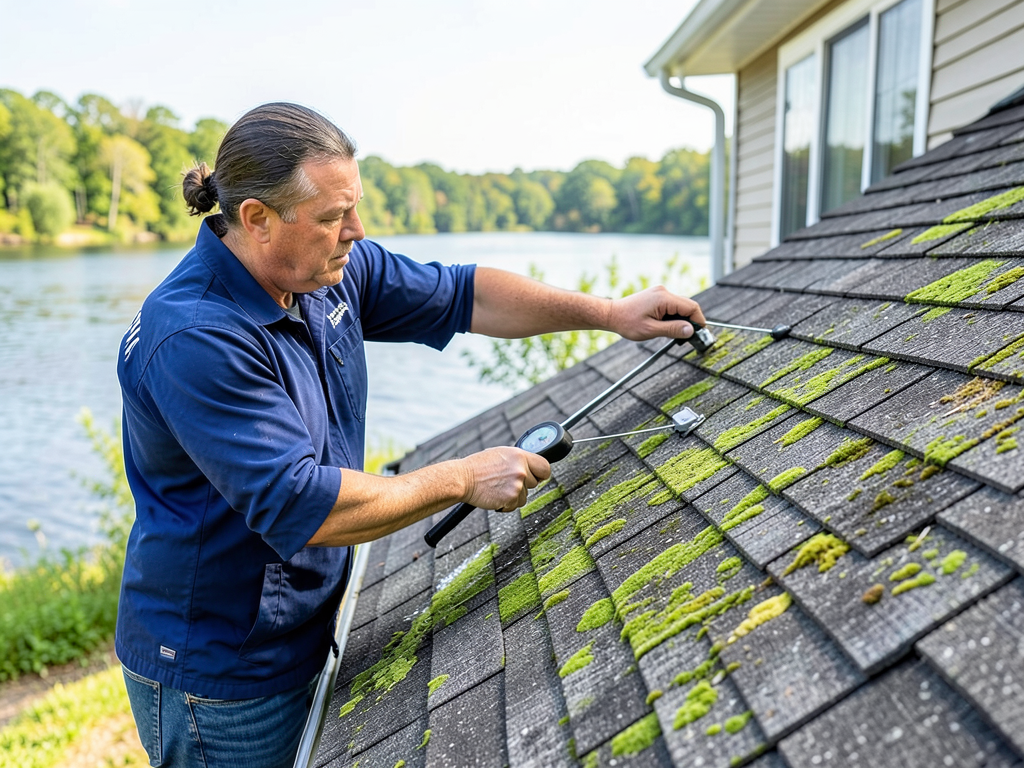
Diagram showing how the Chattahoochee River creates a localized humidity bubble affecting Vinings homes, with moisture patterns and wind flow directions clearly illustrated.
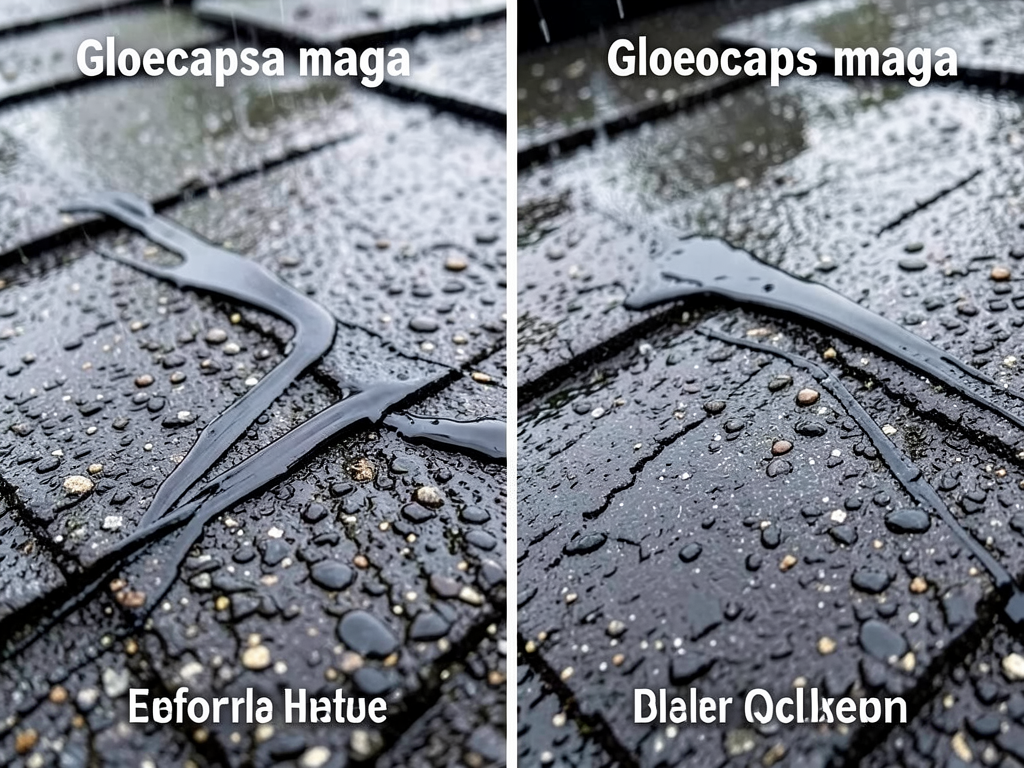
Close-up comparison of algae growth patterns on roofs in Vinings versus Atlanta’s inland areas, showing the accelerated timeline and distinct growth patterns near the river.
Cross-sectional view of enhanced attic ventilation system for river-proximity homes, showing powered vents, vapor barriers, and moisture management details specific to high-humidity environments.
Ready to protect your Vinings home from the unique challenges of river proximity? Call (770) 610-9366 today for a free consultation and learn how our specialized solutions can extend your roof’s life by 5-8 years. For more information, visit EPA Mold Information. For more information, visit FEMA Flood Hazard Information.
You may also find this helpful. Checking for Blocked Soffit Vents to Stop Your West End Attic from Overheating.
You may also find this helpful. How Pine Needles Can Secretly Destroy Your Sandy Springs Roof (And Why Blowers Aren’t Enough).
You may also find this helpful. Dealing with Acidic Rain and Pollution Buildup on Rooftops in Downtown Atlanta.
{
“@context”: “https://schema.org”,
“@type”: “BlogPosting”,
“headline”: “Why Homes Near the Chattahoochee River in Vinings Experience Faster Roof Aging”,
“description”: “Homes in Vinings near the Chattahoochee River face accelerated roof aging due to high humidity, algae growth, and moisture damage. Learn the causes and solutions.”,
“wordCount”: 2879,
“datePublished”: “2026-04-30T07:53:00.000Z”,
“dateModified”: “2026-04-30T07:53:00.000Z”,
“inLanguage”: “en-US”,
“mainEntityOfPage”: {
“@type”: “WebPage”,
“@id”: “https://firstchoiceroofingatlanta.com”
},
“publisher”: {
“@type”: “LocalBusiness”,
“name”: “First Choice Roofing Atlanta”,
“url”: “https://firstchoiceroofingatlanta.com”
},
“author”: {
“@type”: “Organization”,
“name”: “First Choice Roofing Atlanta”,
“url”: “https://firstchoiceroofingatlanta.com”
},
“image”: {
“@type”: “ImageObject”,
“url”: “https://firstchoiceroofingatlanta.com/wp-content/uploads/2026/03/why-homes-near-the-chattahoochee-river-in-vinings-1.png”
}
}
{
“@context”: “https://schema.org”,
“@type”: “RoofingContractor”,
“name”: “First Choice Roofing Atlanta”,
“url”: “https://firstchoiceroofingatlanta.com”,
“address”: {
“@type”: “PostalAddress”,
“addressLocality”: “Atlanta”
},
“areaServed”: {
“@type”: “City”,
“name”: “Atlanta”
}
}
{
“@context”: “https://schema.org”,
“@type”: “FAQPage”,
“mainEntity”: [
{
“@type”: “Question”,
“name”: “How much sooner do roofs age near the Chattahoochee compared to other Atlanta areas?”,
“acceptedAnswer”: {
“@type”: “Answer”,
“text”: “Homes within 1,000 feet of the river typically experience roof aging 30-40% faster than properties in Atlanta’s inland areas. This translates to visible wear appearing 5-7 years earlier and complete replacement needs 8-10 years ahead of schedule.”
}
},
{
“@type”: “Question”,
“name”: “Can I prevent algae growth on my Vinings roof?”,
“acceptedAnswer”: {
“@type”: “Answer”,
“text”: “While you can’t completely prevent algae growth in Vinings’ high-humidity environment, you can significantly slow it down. Algae-resistant shingles, regular cleaning, and improved ventilation can extend the time before visible growth appears from 3-5 years to 8-10 years.”
}
},
{
“@type”: “Question”,
“name”: “What’s the best type of ventilation for homes near the Chattahoochee?”,
“acceptedAnswer”: {
“@type”: “Answer”,
“text”: “Homes near the river benefit most from powered ventilation systems that actively exhaust moisture regardless of wind conditions. Solar-powered attic fans combined with properly sized intake vents typically provide the best moisture control in these high-humidity environments.”
}
},
{
“@type”: “Question”,
“name”: “How often should I have my Vinings roof inspected?”,
“acceptedAnswer”: {
“@type”: “Answer”,
“text”: “Homes near the Chattahoochee should have professional inspections twice yearly—once in late spring before the humid summer season and again in early fall after the heavy summer rains. This frequency is double the recommendation for homes in drier Atlanta areas.”
}
},
{
“@type”: “Question”,
“name”: “Are there specific roofing materials that perform better near the river?”,
“acceptedAnswer”: {
“@type”: “Answer”,
“text”: “Yes, architectural shingles with enhanced algae resistance and higher asphalt content perform better in Vinings’ humid environment. Look for products specifically rated for high-humidity zones, which typically have reinforced mat layers and more aggressive granule adhesion systems.”
}
},
{
“@type”: “Question”,
“name”: “Does the river’s influence extend to my attic space?”,
“acceptedAnswer”: {
“@type”: “Answer”,
“text”: “Absolutely. The river’s humidity affects attic spaces just as it affects roof surfaces. Homes near the Chattahoochee often experience attic humidity levels 10-15% higher than comparable homes in other Atlanta areas, even with functioning ventilation systems.”
}
},
{
“@type”: “Question”,
“name”: “What’s the typical cost difference for a roof replacement in Vinings?”,
“acceptedAnswer”: {
“@type”: “Answer”,
“text”: “Roof replacements in Vinings typically cost 15-25% more than comparable projects in other Atlanta areas due to the need for enhanced materials and moisture management systems. For a standard 2,000 square foot home, this translates to an additional $2,500-$4,500 investment.”
}
},
{
“@type”: “Question”,
“name”: “Will my insurance cover river-related roof damage?”,
“acceptedAnswer”: {
“@type”: “Answer”,
“text”: “Standard homeowners insurance typically covers sudden damage from wind or storms but may exclude gradual deterioration from humidity and algae growth. Some insurers offer specific endorsements for high-humidity zone properties that provide broader coverage for these gradual deterioration issues.”
}
},
{
“@type”: “Question”,
“name”: “How long should a roof last in Vinings compared to other areas?”,
“acceptedAnswer”: {
“@type”: “Answer”,
“text”: “A properly installed and maintained roof in Vinings typically lasts 15-18 years, compared to 20-25 years for comparable homes in drier Atlanta areas. However, with enhanced moisture management systems, Vinings roofs can achieve lifespans approaching those of inland properties.”
}
}
]
}
{
“@context”: “https://schema.org”,
“@type”: “HowTo”,
“name”: “How to Protect Your Vinings Roof”,
“step”: [
{
“@type”: “HowToStep”,
“position”: 1,
“name”: “Schedule Professional Assessment”,
“text”: “Call (770) 610-9366 to arrange a comprehensive inspection that includes moisture readings and ventilation analysis specific to river-proximity homes.”
},
{
“@type”: “HowToStep”,
“position”: 2,
“name”: “Implement Enhanced Ventilation”,
“text”: “Install powered ventilation systems that actively manage attic humidity levels, maintaining them below 60% even during Atlanta’s most humid months.”
},
{
“@type”: “HowToStep”,
“position”: 3,
“name”: “Upgrade to Algae-Resistant Materials”,
“text”: “Choose shingles with enhanced copper or zinc content that specifically resist Gloeocapsa magma growth common in Vinings’ high-humidity environment.”
},
{
“@type”: “HowToStep”,
“position”: 4,
“name”: “Establish Maintenance Schedule”,
“text”: “Implement bi-annual inspections and annual cleaning protocols to catch problems early and maintain the effectiveness of your moisture management systems.”
}
],
“image”: “https://firstchoiceroofingatlanta.com/wp-content/uploads/2026/03/why-homes-near-the-chattahoochee-river-in-vinings-1.png”
}
{
“@context”: “https://schema.org”,
“@type”: “BreadcrumbList”,
“itemListElement”: [
{
“@type”: “ListItem”,
“position”: 1,
“name”: “Home”,
“item”: “https://firstchoiceroofingatlanta.com”
},
{
“@type”: “ListItem”,
“position”: 2,
“name”: “Blog”,
“item”: “https://firstchoiceroofingatlanta.com/blog”
},
{
“@type”: “ListItem”,
“position”: 3,
“name”: “Why Homes Near the Chattahoochee River in Vinings Experience Faster Roof Aging”
}
]
}
{
“@context”: “https://schema.org”,
“@type”: “Service”,
“serviceType”: “Roofing”,
“provider”: {
“@type”: “LocalBusiness”,
“name”: “First Choice Roofing Atlanta”,
“url”: “https://firstchoiceroofingatlanta.com”
},
“areaServed”: {
“@type”: “City”,
“name”: “Atlanta”
},
“description”: “Homes in Vinings near the Chattahoochee River face accelerated roof aging due to high humidity, algae growth, and moisture damage. Learn the causes and solutions.”
}