
Why the Wood Around Your Roofline is Rotting in East Atlanta Village
The wooden fascia boards and soffits around your roofline in East Atlanta Village are failing because Georgia’s high humidity and frequent rainfall trap moisture in the eaves. The historic Craftsman homes in this neighborhood often have aging wood trim that wasn’t designed for today’s weather extremes. When water from clogged gutters seeps into fascia boards, the wood begins to rot within months rather than years. Atlanta Regional Commission flood maps.
Homeowners in the 30316 and 30307 zip codes report peeling paint and soft wood along their rooflines. This isn’t just cosmetic damage. Rotted fascia can no longer support your gutters, and compromised soffits allow pests like squirrels and carpenter bees to nest in your attic. The problem compounds quickly because once moisture enters, it spreads through the entire roof edge system.
The good news is that targeted fascia and soffit repair can stop the damage and protect your home for decades. Modern materials like PVC trim and fiber cement boards resist the moisture that destroyed your original wood. Understanding the specific causes in East Atlanta Village helps you make the right repair decisions before the next storm hits.
Common Signs of Fascia and Soffit Damage in Atlanta Homes
Wood rot around your roofline shows up in several ways. The first sign is often peeling paint that looks like alligator skin. This happens when moisture pushes through the paint from underneath. Run your hand along the fascia boards. If the paint comes off in chunks or the wood feels soft, you have a moisture problem.
Another red flag is sagging gutters. Fascia boards provide the mounting surface for gutters. When wood rots, it can no longer hold the weight of full gutters. You might notice your gutters pulling away from the house or hanging at odd angles after a heavy rain.
Pest activity signals soffit damage. Squirrels chew through rotted wood to access attics. Carpenter bees drill perfect half-inch holes in fascia boards to build nests. If you see fresh sawdust or hear scratching in your walls, check your soffits immediately.
Water stains on interior walls near the roofline indicate water is bypassing your exterior defenses. This means the damage has progressed beyond the fascia and may affect your roof deck and attic insulation.
Why East Atlanta Village Homes Are Especially Vulnerable
The Craftsman and bungalow-style homes in East Atlanta Village were built between the 1910s and 1940s. Many still have their original wood trim, which was typically pine or cypress. These softwoods were adequate for their time but can’t withstand modern humidity levels.
East Atlanta Village sits in a low-lying area where the water table is naturally higher. According to the Atlanta Regional Commission’s flood maps, parts of this neighborhood have a 1% annual chance of flooding. This means the soil around your foundation stays moist longer, and that moisture wicks up into your wood trim.
The neighborhood’s mature tree canopy, while beautiful, creates another problem. Pine trees drop needles that clog gutters. When gutters overflow, water cascades down fascia boards instead of draining properly. This constant moisture exposure accelerates wood rot.
Local building codes in DeKalb County now require drip edge flashing on all new roof installations. This metal strip directs water away from the fascia. Many older East Atlanta Village homes lack this protection, making them more vulnerable to water damage.
How Atlanta’s Climate Accelerates Wood Rot
Atlanta’s climate creates the perfect conditions for wood decay. The city averages 50 inches of rainfall annually, well above the national average. When combined with summer humidity that often exceeds 80%, wood surfaces stay damp for extended periods.
Temperature swings also stress wood. A typical summer day might start at 70°F and reach 95°F by afternoon. This expansion and contraction causes paint to crack, allowing moisture to penetrate deeper into the wood grain.
According to the Georgia Forestry Commission, wood in direct ground contact should be pressure-treated or naturally decay-resistant species. Yet many East Atlanta Village homes have untreated pine fascia that sits just inches from the ground where moisture and termites can reach it. Georgia Forestry Commission wood preservation guidelines.
Algae and moss growth on shaded roof areas trap moisture against wood surfaces. These organisms feed on the wood’s cellulose, weakening it from the outside in. A simple screwdriver test reveals the extent of damage. Press the tip into the wood. If it sinks easily, the wood has lost its structural integrity.
Material Options for Atlanta Roofline Repairs
Choosing the right replacement material determines how long your repair lasts. Traditional wood remains popular for historic home restoration but requires regular maintenance. Modern alternatives offer better moisture resistance. Protecting Your Historic Decatur Home with Specialty Roof Repairs.
PVC trim boards, like those from Azek or Versatex, won’t rot, warp, or split. They cost more upfront but eliminate future painting and repairs. PVC expands and contracts less than wood, so joints stay tight longer.
Fiber cement boards, such as James Hardie products, combine wood’s appearance with cement’s durability. These boards resist moisture, insects, and fire. They come pre-finished in various colors and carry 15-year paint warranties.
Aluminum wrapping provides a budget-friendly option for mildly damaged fascia. A professional wraps the existing wood in aluminum coil, creating a moisture barrier. This works well when the wood is structurally sound but cosmetically damaged.
Wood remains the only option for strict historic preservation guidelines. In this case, using premium cedar or redwood with proper sealing extends the life significantly. These woods contain natural oils that resist decay.
| Material | Cost per Linear Foot | Lifespan in Atlanta | Maintenance Required |
|---|---|---|---|
| Pine Wood | $3-5 | 5-10 years | Annual painting, sealing |
| Cedar/Rubber | $8-12 | 15-20 years | Biennial sealing |
| PVC Trim | $10-15 | 25+ years | None |
| Fiber Cement | $12-18 | 30+ years | Occasional cleaning |
Our Fascia and Soffit Repair Process
Our repair process starts with a thorough inspection. We check not just the visible damage but also the underlying structure. Using moisture meters, we measure water content in wood at multiple depths to identify hidden rot.
We remove damaged sections carefully to avoid harming surrounding materials. For historic homes, we match the original profiles and dimensions exactly. This preserves the architectural integrity while upgrading the materials.
Before installing new trim, we address the root causes. This means cleaning gutters, repairing drip edge flashing, and improving attic ventilation. Without these fixes, even the best materials will fail prematurely. Repairing Slate and Tile Roofs on Historic Homes in Druid Hills.
We install new boards with proper spacing for thermal expansion. PVC and fiber cement expand more than wood, so we leave expansion gaps covered by trim pieces. This prevents buckling in summer heat.
The final step is sealing all joints with high-quality exterior caulk. We use elastomeric caulk that remains flexible as materials expand and contract. This prevents water from seeping behind the trim.
- Inspection and Assessment
We use moisture meters to detect hidden rot and check structural integrity of rafters and roof deck.
- Removal of Damaged Materials
Carefully remove rotted fascia and soffit sections while protecting surrounding roofing and siding. Roofing Dunwoody.
- Address Underlying Issues
Clean gutters, repair flashing, and improve attic ventilation to prevent future moisture problems.
- Install New Materials
Fit replacement boards with proper expansion gaps and secure with corrosion-resistant fasteners.
- Seal and Finish
Apply elastomeric caulk to all joints and paint or finish to match your home’s exterior.
Preventing Future Wood Rot in Your Roofline
Prevention starts with your gutters. Clean them at least twice yearly, more often if you have pine trees nearby. Clogged gutters cause the most fascia damage because overflowing water constantly soaks the wood.
Check your attic ventilation. Poor airflow traps moisture in your attic, which condenses on the underside of your roof deck and drips onto fascia boards. Most building codes require 1 square foot of ventilation per 150 square feet of attic space.
Inspect your roofline annually. Look for cracked caulk, peeling paint, or any signs of water staining. Early detection prevents expensive structural repairs. Pay special attention after severe storms, which can damage flashing and create new entry points for water.
Consider installing gutter guards if you’re tired of constant cleaning. Quality guards keep debris out while allowing water to flow freely. This simple addition can extend your fascia’s life by years.
Trim tree branches that hang over your roof. They drop leaves and needles that trap moisture against your roofline. They also provide pathways for squirrels and raccoons to access your roof.
Local Building Codes and Requirements
DeKalb County follows the Georgia State Minimum Standard Residential Code with local amendments. Current codes require pressure-treated lumber for any wood within 18 inches of grade or in contact with concrete. This protects against termites and moisture.
The International Residential Code Section R703.8 mandates proper flashing at roof-to-wall intersections. This includes step flashing along walls and kickout flashing at the bottom to direct water away from the structure.
Recent amendments to Atlanta’s building codes require ice and water shield in all valleys and around roof penetrations. This self-adhering membrane prevents water backup from ice dams or wind-driven rain.
Permit requirements vary by project scope. Simple fascia replacement under 100 square feet typically doesn’t require a permit. However, structural repairs or changes to your roof’s drainage system do require permits and inspections.
Working with a licensed contractor ensures your repairs meet these requirements. Unpermitted work can cause problems when selling your home and may void manufacturer warranties on new materials.
Cost Factors for Fascia and Soffit Repairs
Repair costs depend on several factors. Material choice has the biggest impact. PVC and fiber cement cost more upfront but save money long-term through reduced maintenance.
Accessibility affects labor costs. Single-story homes cost less to repair than two-story homes requiring scaffolding or special equipment. Roof pitch also matters. Steep roofs require additional safety equipment and time.
The extent of damage determines whether repair or replacement makes more sense. If rot affects less than 25% of your fascia, repair is usually cost-effective. More extensive damage often justifies full replacement.
Historic home requirements can increase costs. Matching original profiles or using specific materials to comply with preservation guidelines takes more time and sometimes requires custom milling.
Emergency repairs after storm damage cost more due to urgency and potential insurance coordination. However, insurance may cover these costs if the damage resulted from a covered peril. Who to Call for Urgent Emergency Roof Repairs in Buckhead.
Getting multiple estimates helps you understand the market rate. Be wary of quotes significantly lower than others. Quality materials and proper installation prevent callbacks and additional costs. Getting a Fast and Accurate Roof Replacement Estimate in Johns Creek.
Frequently Asked Questions
How long does fascia and soffit repair take?
Most residential repairs take one to three days depending on the extent of damage and material choice. Simple repairs might finish in a single day while full replacements or historic restorations take longer.
Can I paint PVC or fiber cement boards?
Yes, but it’s often unnecessary. PVC comes in various colors that don’t fade. Fiber cement boards like Hardie come pre-finished with 15-year warranties. If you do paint, use 100% acrylic latex paint designed for exterior use.
Will my homeowner’s insurance cover fascia repairs?
Insurance typically covers damage from sudden events like storms or fallen trees. It rarely covers damage from neglect or normal wear and tear. Check your policy or ask your agent about specific coverage.
How can I tell if I need repair or replacement?
If the wood feels solid and damage is localized, repair works well. If the wood crumbles when touched or damage extends beyond visible areas, replacement is safer. A professional inspection can determine the best approach.
Are permits required for fascia repair in East Atlanta Village?
Minor repairs usually don’t require permits. However, structural repairs, changes to roof drainage, or work on historic properties often require permits. Your contractor should know local requirements and handle permitting if needed.
Protect Your East Atlanta Village Home Today
Don’t wait for wood rot to compromise your home’s structure. The longer you delay, the more expensive repairs become. What starts as a simple fascia replacement can turn into roof deck repairs or even interior water damage if ignored.
Our team understands the unique challenges East Atlanta Village homes face. We know how to repair damage while preserving the character of your historic property. We use materials proven to withstand Atlanta’s climate and install them according to current building codes.
Call (770) 610-9366 today to schedule your free inspection. We’ll identify problem areas, explain your options, and provide a clear, upfront estimate. Our work comes with warranties on both materials and labor, giving you peace of mind.
Pick up the phone and call (770) 610-9366 before the next storm hits. Wood rot only gets worse with time, but prompt action can save you thousands in future repairs. Let us help you protect your East Atlanta Village home for years to come.

– Close-up photo showing the difference between healthy fascia and rotted wood, with visible moisture damage and peeling paint on the damaged section.
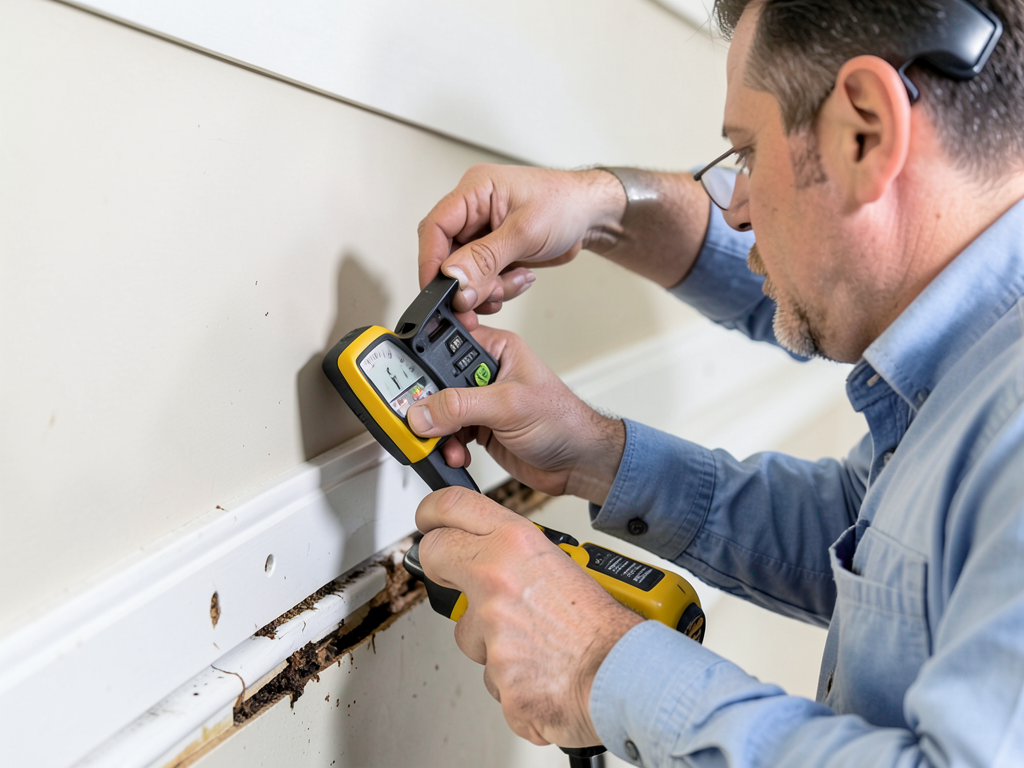
– Technician using a moisture meter to test fascia boards, demonstrating the diagnostic process for detecting hidden rot beneath the surface.
– Before and after comparison of a fascia repair project in East Atlanta Village, showing the rotted wood replacement with durable PVC trim.
{
“@context”: “https://schema.org”,
“@type”: “BlogPosting”,
“headline”: “Why the Wood Around Your Roofline is Rotting in East Atlanta Village”,
“description”: “Discover why fascia and soffit wood rots in East Atlanta Village homes due to humidity, pests, and drainage issues. Learn repair solutions from local Atlanta experts.”,
“wordCount”: 2227,
“datePublished”: “2026-03-29T07:50:00.000Z”,
“dateModified”: “2026-03-29T07:50:00.000Z”,
“inLanguage”: “en-US”,
“mainEntityOfPage”: {
“@type”: “WebPage”,
“@id”: “https://firstchoiceroofingatlanta.com”
},
“publisher”: {
“@type”: “LocalBusiness”,
“name”: “First Choice Roofing Atlanta”,
“url”: “https://firstchoiceroofingatlanta.com”
},
“author”: {
“@type”: “Organization”,
“name”: “First Choice Roofing Atlanta”,
“url”: “https://firstchoiceroofingatlanta.com”
},
“image”: {
“@type”: “ImageObject”,
“url”: “https://firstchoiceroofingatlanta.com/wp-content/uploads/2026/03/why-the-wood-around-your-roofline-is-rotting-in-ea-1.png”
}
}
{
“@context”: “https://schema.org”,
“@type”: “RoofingContractor”,
“name”: “First Choice Roofing Atlanta”,
“url”: “https://firstchoiceroofingatlanta.com”,
“address”: {
“@type”: “PostalAddress”,
“addressLocality”: “Atlanta”
},
“areaServed”: {
“@type”: “City”,
“name”: “Atlanta”
}
}
{
“@context”: “https://schema.org”,
“@type”: “FAQPage”,
“mainEntity”: [
{
“@type”: “Question”,
“name”: “How long does fascia and soffit repair take?”,
“acceptedAnswer”: {
“@type”: “Answer”,
“text”: “Most residential repairs take one to three days depending on the extent of damage and material choice. Simple repairs might finish in a single day while full replacements or historic restorations take longer.”
}
},
{
“@type”: “Question”,
“name”: “Can I paint PVC or fiber cement boards?”,
“acceptedAnswer”: {
“@type”: “Answer”,
“text”: “Yes, but it’s often unnecessary. PVC comes in various colors that don’t fade. Fiber cement boards like Hardie come pre-finished with 15-year warranties. If you do paint, use 100% acrylic latex paint designed for exterior use.”
}
},
{
“@type”: “Question”,
“name”: “Will my homeowner’s insurance cover fascia repairs?”,
“acceptedAnswer”: {
“@type”: “Answer”,
“text”: “Insurance typically covers damage from sudden events like storms or fallen trees. It rarely covers damage from neglect or normal wear and tear. Check your policy or ask your agent about specific coverage.”
}
},
{
“@type”: “Question”,
“name”: “How can I tell if I need repair or replacement?”,
“acceptedAnswer”: {
“@type”: “Answer”,
“text”: “If the wood feels solid and damage is localized, repair works well. If the wood crumbles when touched or damage extends beyond visible areas, replacement is safer. A professional inspection can determine the best approach.”
}
},
{
“@type”: “Question”,
“name”: “Are permits required for fascia repair in East Atlanta Village?”,
“acceptedAnswer”: {
“@type”: “Answer”,
“text”: “Minor repairs usually don’t require permits. However, structural repairs, changes to roof drainage, or work on historic properties often require permits. Your contractor should know local requirements and handle permitting if needed.”
}
}
]
}
{
“@context”: “https://schema.org”,
“@type”: “HowTo”,
“name”: “Fascia Repair Process”,
“step”: [
{
“@type”: “HowToStep”,
“position”: 1,
“name”: “Inspection and Assessment”,
“text”: “We use moisture meters to detect hidden rot and check structural integrity of rafters and roof deck.”
},
{
“@type”: “HowToStep”,
“position”: 2,
“name”: “Removal of Damaged Materials”,
“text”: “Carefully remove rotted fascia and soffit sections while protecting surrounding roofing and siding. Roofing Dunwoody.”
},
{
“@type”: “HowToStep”,
“position”: 3,
“name”: “Address Underlying Issues”,
“text”: “Clean gutters, repair flashing, and improve attic ventilation to prevent future moisture problems.”
},
{
“@type”: “HowToStep”,
“position”: 4,
“name”: “Install New Materials”,
“text”: “Fit replacement boards with proper expansion gaps and secure with corrosion-resistant fasteners.”
},
{
“@type”: “HowToStep”,
“position”: 5,
“name”: “Seal and Finish”,
“text”: “Apply elastomeric caulk to all joints and paint or finish to match your home’s exterior.”
}
],
“image”: “https://firstchoiceroofingatlanta.com/wp-content/uploads/2026/03/why-the-wood-around-your-roofline-is-rotting-in-ea-1.png”
}
{
“@context”: “https://schema.org”,
“@type”: “BreadcrumbList”,
“itemListElement”: [
{
“@type”: “ListItem”,
“position”: 1,
“name”: “Home”,
“item”: “https://firstchoiceroofingatlanta.com”
},
{
“@type”: “ListItem”,
“position”: 2,
“name”: “Blog”,
“item”: “https://firstchoiceroofingatlanta.com/blog”
},
{
“@type”: “ListItem”,
“position”: 3,
“name”: “Why the Wood Around Your Roofline is Rotting in East Atlanta Village”
}
]
}
{
“@context”: “https://schema.org”,
“@type”: “Service”,
“serviceType”: “Roofing”,
“provider”: {
“@type”: “LocalBusiness”,
“name”: “First Choice Roofing Atlanta”,
“url”: “https://firstchoiceroofingatlanta.com”
},
“areaServed”: {
“@type”: “City”,
“name”: “Atlanta”
},
“description”: “Discover why fascia and soffit wood rots in East Atlanta Village homes due to humidity, pests, and drainage issues. Learn repair solutions from local Atlanta experts.”
}