
Will a Metal Roof Make Your Buckhead Home Too Noisy During an Atlanta Thunderstorm?
Living in Buckhead means experiencing Georgia’s intense summer thunderstorms firsthand. The sound of heavy rain pounding on your roof can be concerning, especially when considering a metal roof upgrade. The truth is that modern metal roofing systems, when properly installed with the right components, produce rain noise levels comparable to traditional asphalt shingles – typically between 52-58 decibels, which is quieter than a normal conversation at 60 decibels. Georgia State Minimum Standard Residential Code.
The key to quiet performance lies in the installation method. A solid plywood decking layer combined with high-quality synthetic underlayment creates an acoustic barrier that dramatically reduces sound transmission. Most Buckhead homes already have this solid deck structure, making them ideal candidates for metal roofing without the drumming effect many homeowners fear. Roofing Dunwoody.
Atlanta’s Building Code requires specific underlayment standards for roof replacements, and these same requirements contribute to sound dampening. The Georgia State Minimum Standard Residential Code mandates synthetic felt or ice/water shield in high-wind zones, which adds another layer of noise reduction between your ceiling and the metal surface above.
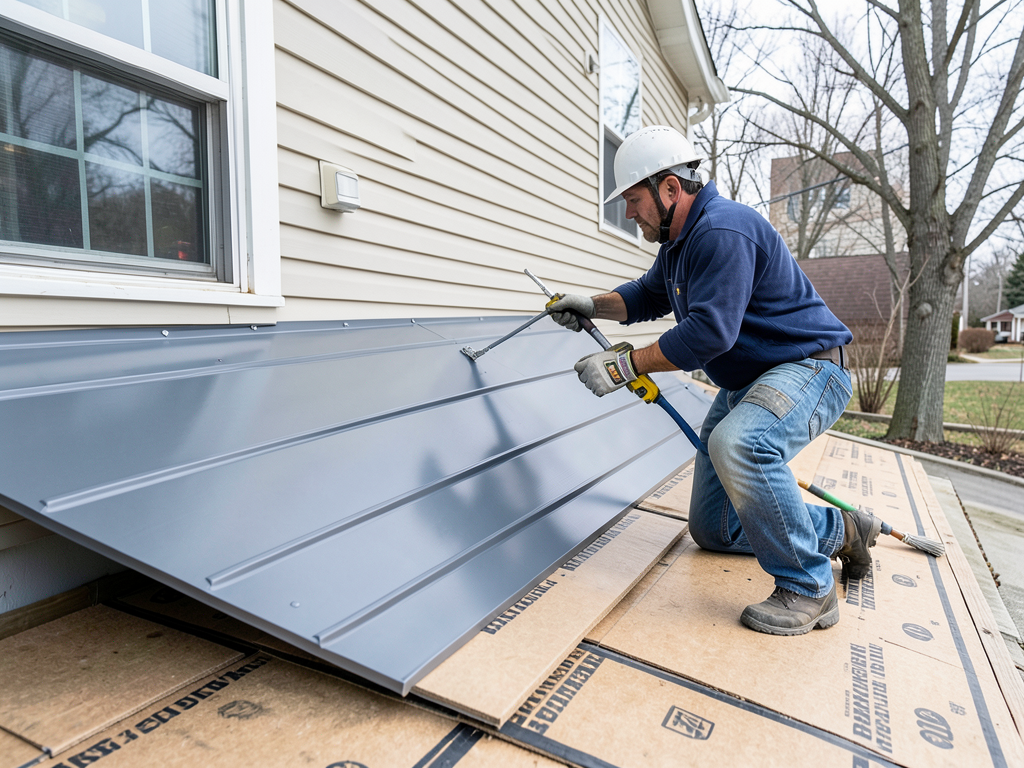
Understanding Rain Noise Levels on Different Roof Types
Sound travels differently through various roofing materials. Traditional asphalt shingles absorb some impact through their granular surface, while bare metal initially seems like it would amplify rain sounds. However, the solid decking beneath any roof system is the primary factor in noise reduction, not the outer material itself.
Standing seam metal roofs with proper installation typically measure 52-58 dB during heavy rain, while asphalt shingles register around 50-55 dB under the same conditions. The difference is minimal – about the volume of a whisper. Corrugated metal without solid decking can reach 65-70 dB, which explains the drumming myth but doesn’t apply to most residential installations.
Stone-coated steel options like DECRA provide additional sound dampening through their textured surface and specialized coatings. These systems combine the durability of metal with acoustic properties closer to traditional roofing materials, making them popular in Buckhead’s historic districts where noise concerns often arise. Protecting Your Historic Decatur Home with Specialty Roof Repairs.
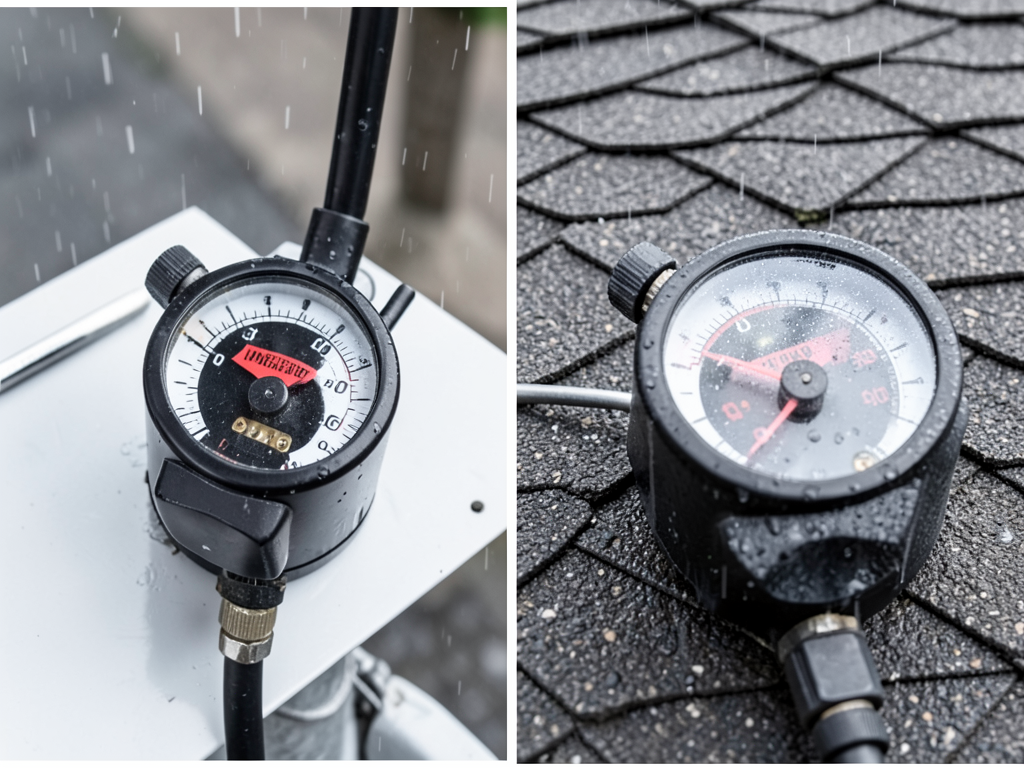
The Physics of Sound: Why Some Metal Roofs are Louder Than Others
Sound transmission through roofing systems follows basic physics principles. When raindrops hit a surface, they create vibrations that travel through materials at different rates. Solid materials transmit sound more efficiently than air pockets or insulation.
The roof assembly acts as a sandwich structure: metal panel, underlayment, decking, attic space, and ceiling material. Each layer either blocks or transmits sound waves. Solid 7/16″ plywood decking stops approximately 85% of impact noise before it reaches your living space. Adding synthetic underlayment increases this to about 90% noise reduction. Attic Ventilation Systems.
Thermal bridging also affects sound transmission. Metal conducts temperature changes rapidly, which can cause expansion and contraction noises if fasteners aren’t properly installed. Professional installers use floating clip systems that allow metal panels to move without creating squeaks or pops during temperature fluctuations common in Atlanta’s climate.
Attic insulation plays a crucial role in sound deadening. Blown-in cellulose insulation provides superior acoustic dampening compared to fiberglass batts due to its density and ability to fill irregular spaces. For Georgia Zone 3 climate recommendations, R-38 to R-49 insulation levels also contribute to noise reduction while meeting energy efficiency codes.
3 Key Factors that Mitigate Rain Noise in Modern Roofing
Solid Decking Installation
The foundation of quiet metal roofing is solid sheathing. OSB or plywood decking creates a continuous surface that prevents the drumming effect associated with open-frame installations. During installation, technicians check for deck integrity, replacing any rotted sections that could compromise both noise reduction and weather resistance.
High-Quality Underlayment Systems
Synthetic underlayments like Titanium PSU30 or similar products provide superior moisture protection while adding acoustic dampening. These materials are 20 times stronger than traditional felt and create a sound-absorbing layer beneath the metal. Ice and water shield in valleys and around penetrations adds another noise-blocking component.
Proper Fastener and Clip Installation
Fastener spacing and torque specifications directly impact noise levels. Over-tightened screws can cause oil-canning and create popping sounds during thermal expansion. Professional installers follow manufacturer torque charts, typically 12-15 inch-pounds for metal roofing fasteners, ensuring panels remain secure without restricting necessary movement.
Standing Seam vs. Corrugated Metal: Which is Quieter?
Standing seam metal roofing dominates the residential market for several reasons, noise reduction being a significant factor. The raised seams create air gaps that disrupt sound wave patterns, while the continuous panel design minimizes the number of fasteners penetrating the decking.
Corrugated metal, often associated with agricultural buildings, produces more noise when installed over open framing without solid decking. However, when installed with proper solid sheathing and underlayment, corrugated panels perform similarly to standing seam systems in terms of noise levels.
Stone-coated steel systems offer the best of both worlds – the structural benefits of metal with the acoustic properties of traditional roofing. The stone coating absorbs impact, while the interlocking panels create a rigid assembly that resists vibration. These systems typically cost 15-20% more than bare metal but provide superior noise reduction and aesthetic appeal for Buckhead’s architectural standards.
Atlanta Weather Considerations: Preparing for Heavy Georgia Downpours
Atlanta receives an average of 50 inches of rainfall annually, with summer thunderstorms producing intense downpours that can drop 2-3 inches of rain per hour. This weather pattern makes underlayment selection critical for both moisture protection and noise reduction.
The Georgia climate also experiences high humidity levels, often exceeding 70% during summer months. This moisture can affect attic ventilation and potentially create condensation issues if roofing systems aren’t properly designed. Adequate intake and exhaust ventilation prevents moisture buildup while maintaining consistent attic temperatures that reduce thermal expansion noises.
Wind uplift is another consideration in Buckhead, where occasional gusts exceed 40 mph during storm systems. Building codes require specific fastening patterns for high-wind zones, which also contribute to noise reduction by preventing panel movement that creates rattling sounds.
Expert Tips for Soundproofing Your Metal Roof During Installation
Layer Your Underlayment
Don’t settle for a single underlayment layer. Install synthetic felt across the entire deck, then add ice and water shield in high-risk areas like valleys, eaves, and around chimneys. This dual-layer approach provides redundancy against moisture while significantly improving sound dampening. Chimney Leak Emergency Repair.
Choose the Right Insulation
For maximum noise reduction, consider adding a layer of ISO board insulation between the decking and underlayment. This rigid foam board provides thermal breaks while adding substantial sound dampening. Combined with proper attic insulation, this approach can reduce perceived rain noise by an additional 3-5 decibels.
Verify Fastener Specifications
Ask your installer to show you the manufacturer’s torque specifications and fastening pattern requirements. Different metal profiles require different spacing – typically 12-18 inches for standing seam versus 24 inches for some corrugated profiles. Proper spacing prevents both structural issues and noise problems.
Consider Stone-Coated Options
If noise is your primary concern, stone-coated steel systems provide the quietest metal roofing option. The stone aggregate absorbs impact while the interlocking design minimizes vibration transmission. These systems also offer superior impact resistance against hail, which is becoming more common in North Georgia.
Frequently Asked Questions
How much does a metal roof cost compared to asphalt shingles in Buckhead?
Metal roofing typically costs 40-60% more than asphalt shingles initially, with standing seam systems ranging from $12-18 per square foot installed, while architectural shingles cost $8-12 per square foot. However, metal roofs last 40-70 years versus 20-25 years for shingles, providing better long-term value.
Will a metal roof affect my home’s resale value in Atlanta?
Yes, metal roofing often increases home values by 1-3% due to its longevity, energy efficiency, and modern appeal. In Buckhead’s competitive market, this translates to $10,000-$25,000 in added value for an average home. The energy savings of 20-30% on cooling costs also appeal to buyers. Repairing Slate and Tile Roofs on Historic Homes in Druid Hills.
Can I install a metal roof over my existing shingles?
While technically possible, installing metal over existing shingles is not recommended in Atlanta due to building code requirements and moisture concerns. The solid decking provides necessary noise reduction and structural support. Most building inspectors require removal of old roofing to inspect deck condition and ensure proper underlayment installation.
How do metal roofs perform in Atlanta’s hot summers?
Metal roofs excel in hot climates by reflecting solar radiation and emitting heat quickly. Cool-roof rated metal panels can reduce attic temperatures by 20-30 degrees compared to asphalt shingles. This translates to lower cooling costs and reduced thermal expansion noises since temperature fluctuations are minimized.
What maintenance does a metal roof require?
Metal roofs require minimal maintenance – typically annual inspections to check sealant integrity, fastener tightness, and debris removal from valleys and gutters. Unlike shingles, metal doesn’t crack, curl, or lose granules. Most manufacturers recommend professional inspection every 2-3 years to ensure optimal performance.. Read more about Switching to 6-Inch Gutters to Handle Intense Georgia Downpours in Sandy Springs.
Making the Right Choice for Your Buckhead Home
The fear of noisy metal roofing is largely based on outdated information about agricultural or barn installations. Modern residential metal roofing systems, when properly specified and installed, provide rain noise levels nearly identical to traditional asphalt shingles while offering superior durability, energy efficiency, and aesthetic options.
Buckhead homeowners particularly benefit from metal roofing’s ability to withstand Georgia’s intense weather patterns while maintaining architectural integrity. Whether you choose standing seam, stone-coated steel, or another metal option, the key is working with experienced installers who understand local building codes and weather challenges.
Ready to explore quiet, durable metal roofing options for your Buckhead home? Call (770) 610-9366 today to schedule your inspection. Our team will assess your current roof condition, discuss noise reduction options, and provide a detailed proposal tailored to your home’s specific needs and Atlanta’s unique climate challenges.
Don’t let outdated myths about metal roof noise prevent you from enjoying the benefits of modern roofing technology. With proper installation techniques and quality materials, your metal roof will provide decades of quiet, reliable protection against whatever Georgia weather throws your way. For more information, visit EPA Cool Roof Information.
You may also find this helpful. Removing Old Satellite Dishes Without Causing a Major Leak in Your Buckhead Home.
{
“@context”: “https://schema.org”,
“@type”: “BlogPosting”,
“headline”: “Will a Metal Roof Make Your Buckhead Home Too Noisy During an Atlanta Thunderstorm?”,
“description”: “Discover the truth about metal roof rain noise levels in Buckhead homes. Learn decibel comparisons, soundproofing techniques, and how modern installations handle Atlanta’s intense thunderstorms.”,
“wordCount”: 1685,
“datePublished”: “2026-05-01T10:57:00.000Z”,
“dateModified”: “2026-05-01T10:57:00.000Z”,
“inLanguage”: “en-US”,
“mainEntityOfPage”: {
“@type”: “WebPage”,
“@id”: “https://firstchoiceroofingatlanta.com”
},
“publisher”: {
“@type”: “LocalBusiness”,
“name”: “First Choice Roofing Atlanta”,
“url”: “https://firstchoiceroofingatlanta.com”
},
“author”: {
“@type”: “Organization”,
“name”: “First Choice Roofing Atlanta”,
“url”: “https://firstchoiceroofingatlanta.com”
},
“image”: {
“@type”: “ImageObject”,
“url”: “https://firstchoiceroofingatlanta.com/wp-content/uploads/2026/03/will-a-metal-roof-make-your-buckhead-home-too-nois-1.png”
}
}
{
“@context”: “https://schema.org”,
“@type”: “RoofingContractor”,
“name”: “First Choice Roofing Atlanta”,
“url”: “https://firstchoiceroofingatlanta.com”,
“address”: {
“@type”: “PostalAddress”,
“addressLocality”: “Atlanta”
},
“areaServed”: {
“@type”: “City”,
“name”: “Atlanta”
}
}
{
“@context”: “https://schema.org”,
“@type”: “FAQPage”,
“mainEntity”: [
{
“@type”: “Question”,
“name”: “Standing Seam vs. Corrugated Metal: Which is Quieter?”,
“acceptedAnswer”: {
“@type”: “Answer”,
“text”: “Standing seam metal roofing dominates the residential market for several reasons, noise reduction being a significant factor. The raised seams create air gaps that disrupt sound wave patterns, while the continuous panel design minimizes the number of fasteners penetrating the decking.”
}
},
{
“@type”: “Question”,
“name”: “How much does a metal roof cost compared to asphalt shingles in Buckhead?”,
“acceptedAnswer”: {
“@type”: “Answer”,
“text”: “Metal roofing typically costs 40-60% more than asphalt shingles initially, with standing seam systems ranging from $12-18 per square foot installed, while architectural shingles cost $8-12 per square foot. However, metal roofs last 40-70 years versus 20-25 years for shingles, providing better long-term value.”
}
},
{
“@type”: “Question”,
“name”: “Will a metal roof affect my home’s resale value in Atlanta?”,
“acceptedAnswer”: {
“@type”: “Answer”,
“text”: “Yes, metal roofing often increases home values by 1-3% due to its longevity, energy efficiency, and modern appeal. In Buckhead’s competitive market, this translates to $10,000-$25,000 in added value for an average home. The energy savings of 20-30% on cooling costs also appeal to buyers. Repairing Slate and Tile Roofs on Historic Homes in Druid Hills.”
}
},
{
“@type”: “Question”,
“name”: “Can I install a metal roof over my existing shingles?”,
“acceptedAnswer”: {
“@type”: “Answer”,
“text”: “While technically possible, installing metal over existing shingles is not recommended in Atlanta due to building code requirements and moisture concerns. The solid decking provides necessary noise reduction and structural support. Most building inspectors require removal of old roofing to inspect deck condition and ensure proper underlayment installation.”
}
},
{
“@type”: “Question”,
“name”: “How do metal roofs perform in Atlanta’s hot summers?”,
“acceptedAnswer”: {
“@type”: “Answer”,
“text”: “Metal roofs excel in hot climates by reflecting solar radiation and emitting heat quickly. Cool-roof rated metal panels can reduce attic temperatures by 20-30 degrees compared to asphalt shingles. This translates to lower cooling costs and reduced thermal expansion noises since temperature fluctuations are minimized.”
}
},
{
“@type”: “Question”,
“name”: “What maintenance does a metal roof require?”,
“acceptedAnswer”: {
“@type”: “Answer”,
“text”: “Metal roofs require minimal maintenance – typically annual inspections to check sealant integrity, fastener tightness, and debris removal from valleys and gutters. Unlike shingles, metal doesn’t crack, curl, or lose granules. Most manufacturers recommend professional inspection every 2-3 years to ensure optimal performance.”
}
}
]
}
{
“@context”: “https://schema.org”,
“@type”: “BreadcrumbList”,
“itemListElement”: [
{
“@type”: “ListItem”,
“position”: 1,
“name”: “Home”,
“item”: “https://firstchoiceroofingatlanta.com”
},
{
“@type”: “ListItem”,
“position”: 2,
“name”: “Blog”,
“item”: “https://firstchoiceroofingatlanta.com/blog”
},
{
“@type”: “ListItem”,
“position”: 3,
“name”: “Will a Metal Roof Make Your Buckhead Home Too Noisy During an Atlanta Thunderstorm?”
}
]
}
{
“@context”: “https://schema.org”,
“@type”: “Service”,
“serviceType”: “Roofing”,
“provider”: {
“@type”: “LocalBusiness”,
“name”: “First Choice Roofing Atlanta”,
“url”: “https://firstchoiceroofingatlanta.com”
},
“areaServed”: {
“@type”: “City”,
“name”: “Atlanta”
},
“description”: “Discover the truth about metal roof rain noise levels in Buckhead homes. Learn decibel comparisons, soundproofing techniques, and how modern installations handle Atlanta’s intense thunderstorms.”
}