





Johns Creek sits in the transition zone between the Atlanta metro and North Georgia foothills, creating specific weather patterns that test roof systems year-round. Summer thunderstorms bring intense downpours and high winds that rip shingles and drive water under flashing. The Chattahoochee River creates humidity pockets that accelerate algae growth and shorten roof lifespan. Fall and winter bring freeze-thaw cycles that crack sealant and loosen fasteners.
The red clay soil underneath Johns Creek foundations creates moisture issues that rise through attic spaces, condensing on roof decking and rotting sheathing from the inside. Neighborhoods near Technology Park see additional stress from the urban heat island effect, cooking shingles faster than manufacturer ratings predict. Homes in Country Club of the South and St Ives face added wind exposure from elevation changes along the river valley.
Georgia building codes require specific wind ratings and ice dam protection that many budget contractors skip. Fulton County permits demand proper ventilation ratios and flashing details that protect your investment. First Choice Roofing Atlanta knows these requirements because we pull permits for every job and work with local inspectors weekly. We see what happens when shortcuts get taken, and we build roofs that pass inspection the first time.
We built our reputation in Johns Creek by showing up when we say we will and doing exactly what we promised. No bait-and-switch pricing, no surprise change orders, no crews that disappear for weeks between phases. Our project managers live in the greater Johns Creek metro, and they coordinate every detail from material delivery to final cleanup.
Most roofing companies send salespeople who have never installed a shingle. Our estimates come from installers who will actually do your work. They spot problems during inspection because they have stripped thousands of roofs and know what hidden damage looks like. They write accurate scope-of-work documents that insurance adjusters respect, and they fight for proper claim settlements when carriers try to lowball depreciation.
We maintain relationships with local building supply yards, which means we get materials faster when storms create shortages. Our crews know Fulton County inspectors by name and understand exactly what details they check. We stock truck inventory specifically for Johns Creek's common architectural styles, from the traditional colonials in Brookshade to the craftsman homes near Newlands.
Every roof we install gets photographed at critical stages, documented with material certifications, and backed by manufacturer warranties that we register on your behalf. We do not subcontract to unknown crews. The people who tear off your old roof are the same people who install your new one, and they carry our insurance and workers comp coverage. When something needs adjustment five years later, we come back because we are still here.

We work directly with your insurance company to document storm damage, prepare accurate estimates, and negotiate fair settlements. Our detailed reports include photos, measurements, and code compliance requirements that adjusters cannot dispute. We have recovered thousands in depreciation that carriers initially denied, and we handle the paperwork so you do not have to.

Storm damage does not wait for business hours. We dispatch emergency tarping crews within hours to stop active leaks and prevent interior damage. Our trucks carry tarps, fasteners, and sealing materials sized for Johns Creek's common roof pitches. We secure your property first, then develop the permanent repair plan once the immediate crisis is controlled.
Our installation crews hold active certifications from GAF, Owens Corning, and CertainTeed. These are not paper credentials. They require hands-on training, proven installation track records, and adherence to exact manufacturing specifications. Certified installation is the only way to activate enhanced warranties, and it ensures your roof performs as engineered for Georgia climate conditions.
We have installed and repaired roofs throughout Johns Creek for years, from the established neighborhoods near Cauley Creek Park to the newer developments in Ocee. We understand local architectural review board requirements, HOA approval processes, and the specific flashing details that prevent water intrusion in Georgia's humidity. Your neighbors have seen our trucks because we work here every day.
Roof problems range from emergency leaks that need immediate attention to planned replacements that require careful material selection and scheduling. First Choice Roofing Atlanta handles the full spectrum of roofing needs in Johns Creek, from patching a single damaged section to complete tear-offs and new installations. We work on all common residential roofing materials including asphalt shingles, architectural composites, metal panels, and flat membrane systems.
Our service approach divides into three main categories based on urgency and scope. Emergency repairs stop active damage and protect your interior from ongoing water intrusion. Maintenance and restoration services extend the life of fundamentally sound roofs through strategic repairs and preventive upgrades. Full replacement projects involve complete removal of old roofing systems and installation of new materials with updated ventilation, flashing, and code-compliant details.
Each category requires different expertise, equipment, and project management. Emergency roof leak repair demands fast response and immediate waterproofing capability. Roof damage repair requires thorough assessment to distinguish cosmetic issues from structural concerns. Roofing repair specialists understand how to match existing materials and integrate patches that do not create future failure points. Complete replacements bring homes up to current wind ratings, energy efficiency standards, and manufacturer warranty requirements that protect your investment long-term.
When wind rips shingles off or a tree punches through your roof, water damage starts immediately. Our emergency crews respond within hours to tarp compromised areas, seal active leaks, and prevent interior damage from spreading. We carry materials to handle Johns Creek's common emergency scenarios including wind-lifted ridge caps, torn valleys, and impact damage from falling branches. After securing your home, we document damage for insurance claims and develop permanent repair plans. Emergency roof patching services stop the crisis while you decide on long-term solutions.
Not every aging roof needs complete replacement. Many Johns Creek roofs suffer from isolated problems like failed flashing, deteriorated sealant, or damaged sections that can be repaired cost-effectively. Our roofing repair specialists assess structural condition, remaining shingle life, and underlying deck integrity to determine if targeted repairs make financial sense. We replace worn pipe boots, rebuild chimneys flashings, seal nail pops, and repair storm-damaged sections using materials that match your existing roof. Restoration makes sense when the roof structure is sound and most shingles retain protective granules.
Complete roof replacement involves stripping all old materials down to deck sheathing, inspecting and repairing structural components, and installing new underlayment, flashing, ventilation, and shingles according to manufacturer specifications. We handle permit applications, coordinate inspections, and register warranties on your behalf. Replacement projects let you upgrade to impact-resistant shingles that lower insurance premiums, improve attic ventilation that reduces cooling costs, and select colors that match your home's style. Our roof damage repair contractors build systems designed for 25-year-plus performance in Georgia climate conditions.
Johns Creek's climate creates specific failure patterns that show up across neighborhoods. High humidity accelerates organic growth, turning north-facing slopes black with algae that holds moisture against shingles and shortens their lifespan. Summer storms arrive with little warning, packing straight-line winds that exceed rated shingle adhesion and turn loose debris into roof-damaging projectiles. The clay soil foundation shifts seasonally, flexing roof structures and opening gaps around chimneys and skylights.
Homes near the Chattahoochee River corridor face additional moisture stress from morning fog and evening condensation that never fully dries. Subdivisions built in the 1990s and early 2000s are reaching the end of original roof lifecycles, often with inadequate attic ventilation that cooked shingles from underneath. New construction in areas like Parcside sometimes uses minimum-code materials that barely meet wind ratings, leaving roofs vulnerable during severe weather events.
These problems do not fix themselves. Small leaks become major water damage. Minor wind damage spreads to adjacent areas during the next storm. What starts as a few missing shingles turns into rotted decking that requires expensive structural repairs. Addressing problems early, before secondary damage develops, saves thousands compared to waiting until failure is catastrophic.
Georgia thunderstorms generate intense updrafts that get under shingle edges and break sealant bonds. Once a few shingles lift, wind gets underneath adjacent areas and damage spreads rapidly. Missing shingles expose underlayment that deteriorates quickly under UV exposure, creating leak points during the next rain. Wind damage requires prompt repair before secondary problems develop across larger roof sections.
Metal flashing at chimneys, skylights, and roof valleys takes constant thermal expansion and contraction. Sealant cracks, fasteners work loose, and water finds gaps that route directly into wall cavities and attic spaces. Valley failures are especially dangerous because they concentrate water flow from large roof sections into single channels. Failed flashing causes interior damage that costs far more than the repair itself.
Inadequate attic ventilation traps heat that bakes shingles from underneath, causing premature granule loss and brittleness. Johns Creek's summer attic temperatures exceed 150 degrees without proper airflow, cooking shingles that should last 25 years down to 12-15 year lifespans. Proper ridge and soffit venting reduces attic temperature, extends shingle life, and lowers cooling costs by preventing heat transfer into living spaces below.
Falling tree limbs, blown patio furniture, and windborne debris punch through shingles and damage underlying structure during severe weather. Impact damage creates immediate leak points and weakens surrounding areas that fail during subsequent storms. Johns Creek's mature tree canopy provides beautiful shade but drops branches that require prompt removal and roof inspection after every major weather event to prevent hidden damage from worsening.
Roofing projects create anxiety because homeowners cannot see the work happening and do not know enough to judge quality. We eliminate uncertainty through clear communication, documented processes, and transparency at every phase. You will know exactly what we found during inspection, what we recommend fixing, and what each component costs before we start work.
Our project managers explain options in plain language and show you material samples so you understand what goes on your house. We do not pressure decisions or create artificial urgency. You get detailed written estimates that break down labor, materials, and timeline so you can compare proposals accurately. We schedule start dates we can actually meet and provide daily updates when work is underway.
Quality control happens at multiple checkpoints. Supervisors inspect tear-off completion before new materials go down. They verify proper underlayment installation, check flashing details, and confirm ventilation calculations before shingle installation begins. Final walkthrough happens with you present so we can address any concerns before crews leave your property. This process ensures the roof you paid for is the roof you received.
Every project starts with thorough roof inspection that identifies all damage, not just obvious problems. We photograph conditions, measure affected areas, and test surrounding sections for hidden deterioration. You receive a written report explaining what we found, what needs immediate attention, and what can wait. We do not sell unnecessary work, and we explain the consequences of delaying repairs so you can make informed decisions based on your budget and priorities.
You will have direct phone contact with your project manager from estimate through final inspection. We confirm arrival times the day before work starts, explain what will happen each day, and notify you immediately if we discover unexpected conditions that affect scope or cost. Our crews speak English, arrive in marked vehicles, and respect your property by protecting landscaping and cleaning debris daily. You are never left wondering what is happening or when we will return.
We back every installation with written workmanship warranties that cover labor defects separate from material warranties. You receive copies of all manufacturer certifications, material invoices, and inspection approvals so you have documentation if you ever sell your home. Our warranty service is real. If something fails due to installation error, we return and fix it at no charge. We have been serving Johns Creek long enough that our reputation depends on standing behind our work.
We have refined our process through hundreds of Johns Creek roofing projects to minimize disruption and maximize quality. Each phase has specific objectives and quality checkpoints that keep projects on schedule and ensure nothing gets missed.
We schedule inspection at your convenience and spend 45-60 minutes examining your roof from multiple angles. Our inspector accesses the roof surface, checks attic conditions, and photographs all damage for documentation. You receive a detailed written estimate within 24-48 hours explaining recommended repairs, material options, and project timeline. The estimate breaks down costs by component so you understand exactly what you are paying for and can make informed comparisons.
Once you approve the proposal, we schedule installation and handle all permit applications. Our crews arrive on schedule, protect your property with tarps and plywood walkways, and complete tear-off in a single day whenever possible to minimize weather exposure. Supervisors inspect deck condition after tear-off and photograph any repairs needed before proceeding. Installation follows manufacturer specifications exactly, with checkpoints at underlayment, flashing, and final shingle installation to verify code compliance and quality standards.
After installation, we schedule municipal inspection for permit closure and conduct our own final quality review. We walk the property with you to ensure complete cleanup and address any concerns before final payment. You receive all warranty documentation, material certifications, and inspection approvals in a project folder for your records. We register manufacturer warranties on your behalf and provide direct contact information for future service needs or warranty claims.
Georgia amended its building code in 2020 to adopt IRC 2018 standards with state-specific modifications that address wind exposure and moisture management. Fulton County enforces these requirements through mandatory inspections on all roof replacements, and violations result in failed inspections that delay projects and add costs. Professional roofing contractors know these standards because we work with them daily, but many homeowners discover code problems only after hiring unlicensed crews who skip permits and install roofs that will not pass inspection.
Wind rating requirements vary by roof pitch and building height, but most Johns Creek residential applications require minimum Class D wind resistance, which means shingles must withstand 90 mph winds without lifting. Impact-resistant shingles rated Class 4 provide additional protection and qualify for insurance discounts that offset the material premium within a few years. These ratings come from UL 2218 testing that simulates hail impact, and only certified products carry the rating needed for premium reductions.
Underlayment standards changed significantly in recent code updates. Traditional felt paper no longer meets minimum requirements for many applications. Synthetic underlayments provide superior tear resistance and moisture protection, especially during extended exposure if installation gets delayed by weather. Ice and water shield is required at eaves, valleys, and around all penetrations in Georgia climate zones to prevent wind-driven rain intrusion and ice dam damage during rare freeze events.
Ventilation calculations must achieve minimum 1:150 net free area ratio for attic spaces, with balanced intake at soffits and exhaust at ridge or near-ridge locations. Inadequate ventilation voids many shingle warranties and accelerates thermal degradation that shortens roof life. Proper ventilation requires mathematical calculation based on attic square footage, not guesswork, and must be verified during inspection. First Choice Roofing Atlanta sizes ventilation systems correctly because we pull permits and face inspection on every job.
Fulton County requires permits for all roof replacements and most repairs exceeding 100 square feet. Permitted work gets inspected for code compliance, ensuring proper installation that protects your home and maintains resale value. Unpermitted roofs create serious problems during home sales when buyers discover missing permits during due diligence. We handle all permit applications and coordinate required inspections so your project has proper documentation.
Roof replacement costs vary based on pitch complexity, number of penetrations, accessibility, and material selection. Steeper pitches require additional safety equipment and slow installation. Multiple chimneys, skylights, and pipe boots add flashing labor. Two-story applications need scaffolding. Impact-resistant shingles cost more than standard products but provide insurance savings and longer lifespan. Accurate estimates account for these variables instead of quoting price-per-square that ignores complexity.
Most Johns Creek residential roof replacements take 2-3 days from tear-off through final cleanup, weather permitting. Complex projects with multiple levels, steep pitches, or extensive flashing work may extend to 4-5 days. We complete tear-off in a single day whenever possible to minimize weather exposure. Storm damage creates material shortages that can delay projects by weeks during peak season. We provide realistic timelines based on current conditions, not optimistic promises.
Enhanced shingle warranties require certified installer status and exact adherence to installation specifications. GAF Golden Pledge, Owens Corning Platinum Protection, and CertainTeed Silver Star warranties only activate when certified contractors install products according to published guidelines. These warranties cover material defects and provide extended workmanship coverage that protects your investment. We hold active certifications and register warranties immediately after installation completion to ensure full coverage activation.
Educational video explaining roofing challenges specific to Johns Creek, Georgia homes. Covers storm damage patterns, code requirements, ventilation issues, and when to repair versus replace. First Choice Roofing Atlanta discusses Georgia building standards, insurance claim processes, impact-resistant materials, and quality installation practices for North Fulton County climate conditions. Includes guidance on choosing roofing contractors and avoiding common installation mistakes.
First Choice Roofing Atlanta maintains active project schedules throughout Johns Creek, from the established neighborhoods around Cauley Creek Park to the growing communities near Newlands and Parcside. We know the area because we work here daily, handling everything from emergency storm repairs to planned replacement projects across diverse architectural styles and roof configurations.
The neighborhoods around Technology Park and State Bridge Road feature a mix of traditional colonials and newer craftsman homes, many with complex rooflines that require careful flashing details and multiple valley installations. Homes in Country Club of the South and St Ives sit on elevated lots that face increased wind exposure, making impact-resistant shingles and proper fastener schedules critical for long-term performance. The Brookshade and Shakerag communities contain many original roofs from the 1990s now reaching replacement age, often with outdated ventilation systems that need upgrading during re-roofing.
North of Medlock Bridge Road, properties near the Chattahoochee River corridor deal with higher humidity and morning condensation that accelerates algae growth and moisture-related deterioration. These locations benefit from algae-resistant shingles and enhanced underlayment protection. The newer developments in Ocee and around Abbotts Bridge feature larger footprints with steeper pitches that require additional safety equipment and longer installation timelines.
We serve the broader Johns Creek metro including adjacent areas of Duluth, Alpharetta, and Roswell where roof challenges mirror those found throughout North Fulton County. Our familiarity with local HOA requirements, architectural review board processes, and municipal inspection standards ensures smooth project progression regardless of which Johns Creek neighborhood you call home. We maintain material inventory and crew scheduling specifically for this service area, allowing faster response times and better availability compared to roofing companies based outside the region.
Whether your home sits in the quiet streets near Autry Mill Nature Preserve or the active neighborhoods around Newlands Golf Course, we understand the specific roof stress factors affecting your area and build systems designed to handle Johns Creek's climate demands for decades.
New roof pricing in Johns Creek varies based on several factors. Your roof size, material choice, and complexity affect the total investment. Asphalt shingles typically cost less than metal or tile options. Steep slopes and multiple stories add to labor expenses. Removing old materials and addressing underlying damage also impact your final price. Get multiple written estimates from local contractors. Request detailed breakdowns showing materials, labor, and disposal fees. Most Johns Creek homeowners find financing options available through contractors or home improvement loans.
Johns Creek experiences hot summers, heavy rainfall, and occasional ice storms. Architectural asphalt shingles perform well in these conditions and offer good value. Metal roofing excels at shedding rain and resisting wind damage. Clay and concrete tiles withstand heat and humidity effectively. Look for products rated for high wind speeds and impact resistance. Choose materials with algae-resistant granules to prevent black streaks common in humid climates. Your attic ventilation matters as much as your roofing material. Proper installation determines how long any material lasts.
Most residential roof replacements in Johns Creek take one to three days. Single-story homes with simple roof lines often finish in one day. Two-story homes or complex designs need two to three days. Weather delays extend timelines during rainy periods. Your contractor removes old materials, inspects decking, makes repairs, and installs new roofing. Larger homes over 3,000 square feet need more time. Tile and metal roofs take longer than asphalt shingles. Experienced crews work efficiently while maintaining quality standards.
New roof pricing in Johns Creek varies based on several factors. Your roof size, material choice, and complexity affect the total investment. Asphalt shingles typically cost less than metal or tile options. Steep slopes and multiple stories add to labor expenses. Removing old materials and addressing underlying damage also impact your final price. Get multiple written estimates from local contractors. Request detailed breakdowns showing materials, labor, and disposal fees. Most Johns Creek homeowners find financing options available through contractors or home improvement loans.
Johns Creek experiences hot summers, heavy rainfall, and occasional ice storms. Architectural asphalt shingles perform well in these conditions and offer good value. Metal roofing excels at shedding rain and resisting wind damage. Clay and concrete tiles withstand heat and humidity effectively. Look for products rated for high wind speeds and impact resistance. Choose materials with algae-resistant granules to prevent black streaks common in humid climates. Your attic ventilation matters as much as your roofing material. Proper installation determines how long any material lasts.
Most residential roof replacements in Johns Creek take one to three days. Single-story homes with simple roof lines often finish in one day. Two-story homes or complex designs need two to three days. Weather delays extend timelines during rainy periods. Your contractor removes old materials, inspects decking, makes repairs, and installs new roofing. Larger homes over 3,000 square feet need more time. Tile and metal roofs take longer than asphalt shingles. Experienced crews work efficiently while maintaining quality standards.
Yes, Johns Creek requires building permits for roof replacements. Your contractor typically handles permit applications and fees. The city reviews plans to ensure code compliance. Inspections occur during and after installation. Permits protect you by ensuring proper installation methods. Working without permits risks fines and complications when selling your home. The permitting process adds a few days to your project timeline. Reputable contractors include permit costs in their estimates. Contact Johns Creek Building Inspections Department for specific requirements.
Your roof needs replacement if shingles are curling, cracked, or missing in multiple areas. Check your attic for daylight showing through boards or water stains. Granules collecting in gutters indicate advanced wear. Roofs older than 20 years typically need replacement. Isolated damage from storms needs repair only. Widespread damage across multiple sections requires replacement. Sagging areas indicate structural problems needing immediate attention. Get a professional inspection for an accurate assessment. Experienced contractors examine both exterior and interior conditions before recommending solutions.
Most established roofing contractors in Johns Creek work with insurance claims. Look for companies experienced in storm damage assessment and documentation. They should photograph damage, measure affected areas, and prepare detailed estimates. Good contractors communicate directly with adjusters and attend inspections. Ask potential contractors about their claims experience during initial consultations. Check reviews mentioning insurance work. Some companies specialize in insurance restoration. Your contractor should explain the claims process and help you understand coverage limitations.
Johns Creek roofers work year-round, including winter months. Mild winter temperatures in Georgia allow installations when conditions permit. Contractors avoid working during rain, ice, or temperatures below freezing. Asphalt shingle adhesives need moderate temperatures to seal properly. Metal roofing installs well in cold weather. Winter often brings lower demand and faster scheduling. Expect occasional weather delays during winter projects. Professional crews monitor forecasts and adjust schedules accordingly. Many homeowners prefer winter replacements to avoid summer heat and spring storm season.
Asphalt shingle roofs in Johns Creek typically last 15 to 25 years. Basic three-tab shingles last 15 to 20 years. Architectural shingles last 20 to 25 years. Your roof lifespan depends on installation quality, ventilation, and maintenance. Johns Creek humidity and summer heat stress roofing materials. Regular inspections and prompt repairs extend roof life. Remove debris and clean gutters to prevent water damage. Adequate attic ventilation prevents heat buildup and moisture problems. Premium shingles with higher ratings last longer than economy options.
Check for local references and recent project photos when hiring Johns Creek roofers. Verify they pull permits and follow building codes. Read online reviews on multiple platforms. Ask about their experience with your specific roofing material. Request detailed written estimates breaking down all expenses. Confirm they carry proper business credentials. Ask about their crew size and project timeline. Find out who supervises daily work and handles questions. Avoid contractors demanding large upfront payments. Choose companies with established local addresses and phone numbers.
Homeowners insurance covers roof replacement when damage results from covered events like storms, hail, or fire. Normal wear and aging are your responsibility. Your deductible applies to approved claims. Insurance pays for comparable materials, not upgrades. Policies have different coverage levels for roofs. Some pay replacement cost while others pay actual cash value minus depreciation. Document damage with photos before repairs. Contact your insurance company immediately after storm damage. Your claims adjuster inspects and determines coverage. Older roofs receive reduced claim payments.
Yes, Johns Creek requires building permits for roof replacements. Your contractor typically handles permit applications and fees. The city reviews plans to ensure code compliance. Inspections occur during and after installation. Permits protect you by ensuring proper installation methods. Working without permits risks fines and complications when selling your home. The permitting process adds a few days to your project timeline. Reputable contractors include permit costs in their estimates. Contact Johns Creek Building Inspections Department for specific requirements.
Your roof needs replacement if shingles are curling, cracked, or missing in multiple areas. Check your attic for daylight showing through boards or water stains. Granules collecting in gutters indicate advanced wear. Roofs older than 20 years typically need replacement. Isolated damage from storms needs repair only. Widespread damage across multiple sections requires replacement. Sagging areas indicate structural problems needing immediate attention. Get a professional inspection for an accurate assessment. Experienced contractors examine both exterior and interior conditions before recommending solutions.
Most established roofing contractors in Johns Creek work with insurance claims. Look for companies experienced in storm damage assessment and documentation. They should photograph damage, measure affected areas, and prepare detailed estimates. Good contractors communicate directly with adjusters and attend inspections. Ask potential contractors about their claims experience during initial consultations. Check reviews mentioning insurance work. Some companies specialize in insurance restoration. Your contractor should explain the claims process and help you understand coverage limitations.
Johns Creek roofers work year-round, including winter months. Mild winter temperatures in Georgia allow installations when conditions permit. Contractors avoid working during rain, ice, or temperatures below freezing. Asphalt shingle adhesives need moderate temperatures to seal properly. Metal roofing installs well in cold weather. Winter often brings lower demand and faster scheduling. Expect occasional weather delays during winter projects. Professional crews monitor forecasts and adjust schedules accordingly. Many homeowners prefer winter replacements to avoid summer heat and spring storm season.
Asphalt shingle roofs in Johns Creek typically last 15 to 25 years. Basic three-tab shingles last 15 to 20 years. Architectural shingles last 20 to 25 years. Your roof lifespan depends on installation quality, ventilation, and maintenance. Johns Creek humidity and summer heat stress roofing materials. Regular inspections and prompt repairs extend roof life. Remove debris and clean gutters to prevent water damage. Adequate attic ventilation prevents heat buildup and moisture problems. Premium shingles with higher ratings last longer than economy options.
Check for local references and recent project photos when hiring Johns Creek roofers. Verify they pull permits and follow building codes. Read online reviews on multiple platforms. Ask about their experience with your specific roofing material. Request detailed written estimates breaking down all expenses. Confirm they carry proper business credentials. Ask about their crew size and project timeline. Find out who supervises daily work and handles questions. Avoid contractors demanding large upfront payments. Choose companies with established local addresses and phone numbers.
Homeowners insurance covers roof replacement when damage results from covered events like storms, hail, or fire. Normal wear and aging are your responsibility. Your deductible applies to approved claims. Insurance pays for comparable materials, not upgrades. Policies have different coverage levels for roofs. Some pay replacement cost while others pay actual cash value minus depreciation. Document damage with photos before repairs. Contact your insurance company immediately after storm damage. Your claims adjuster inspects and determines coverage. Older roofs receive reduced claim payments.
Whether you are in need of a new roof, a quick repair, or a detailed inspection, our team is ready to serve you. We are proud to be a trusted part of the Atlanta community, and you can find our business location on the map below. Feel free to visit us or contact us today to discuss your next project. We look forward to working with you and protecting your property.
Address:
Johns Creek, GA, 30022
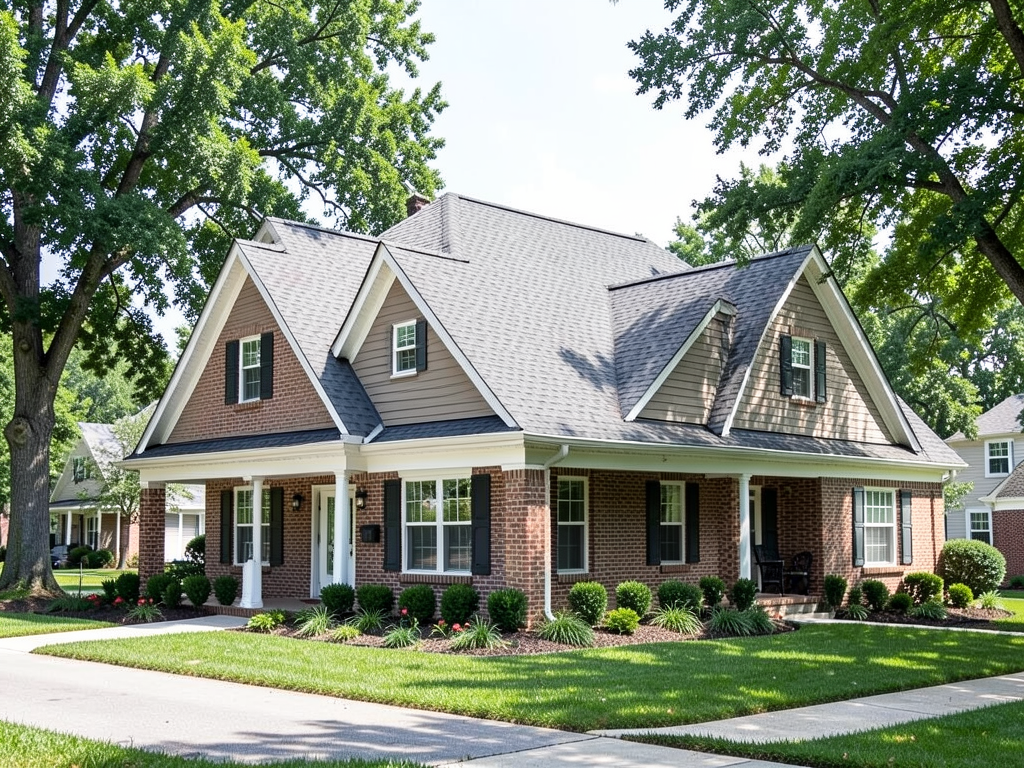
Hip Roof vs Gable Roof — Which Shape Protects Your Marietta Home Better Against High Winds? When a severe thunderstorm rolls through Marietta the shape of your roof can mean the difference between minor wear…
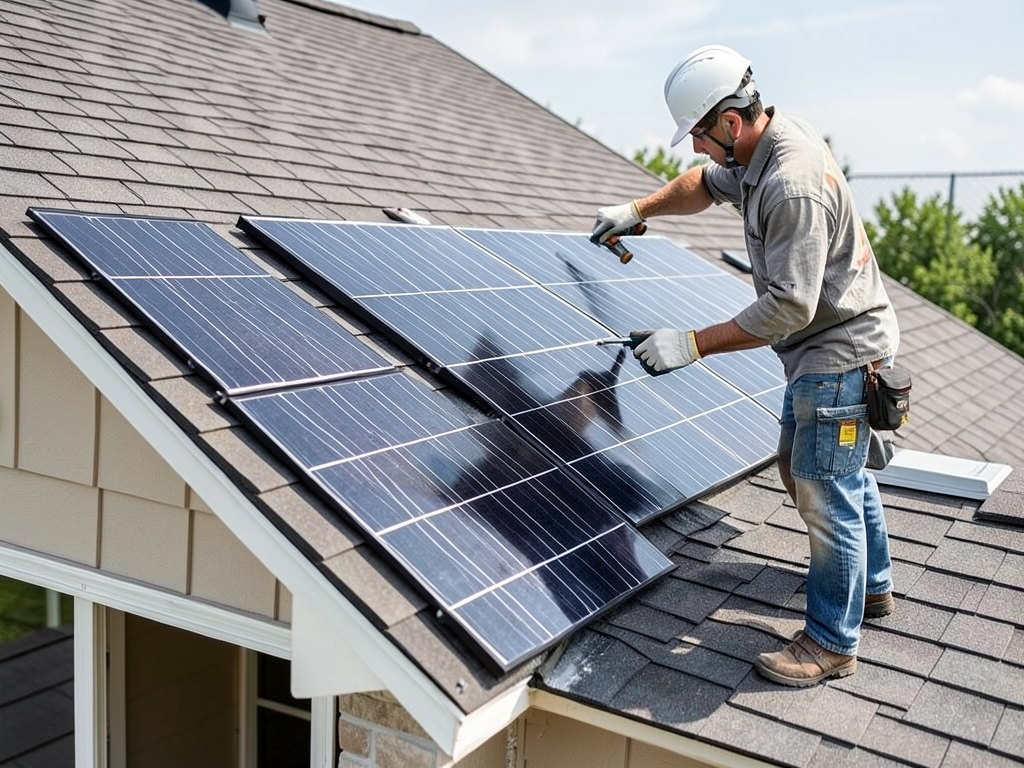
Are GAF Timberline Solar Shingles Finally Worth it for Atlanta Homeowners? Atlanta homeowners are discovering…
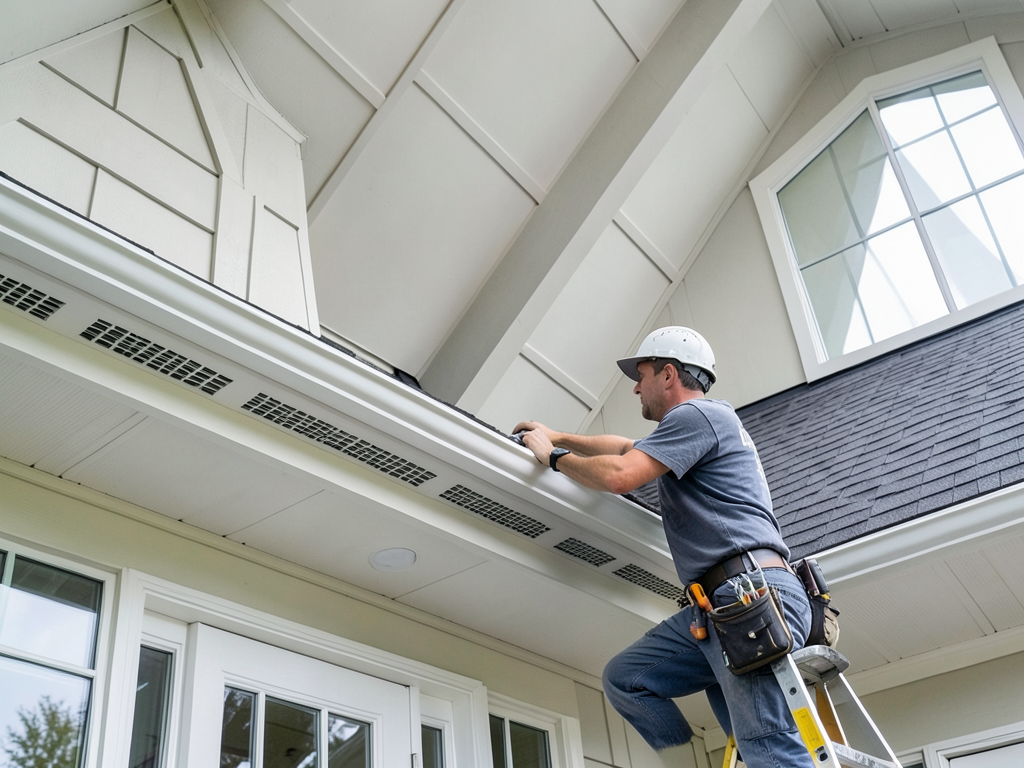
Why Vaulted Ceilings Often Lead to Roof Rot in Modern Duluth Homes Vaulted ceilings create…
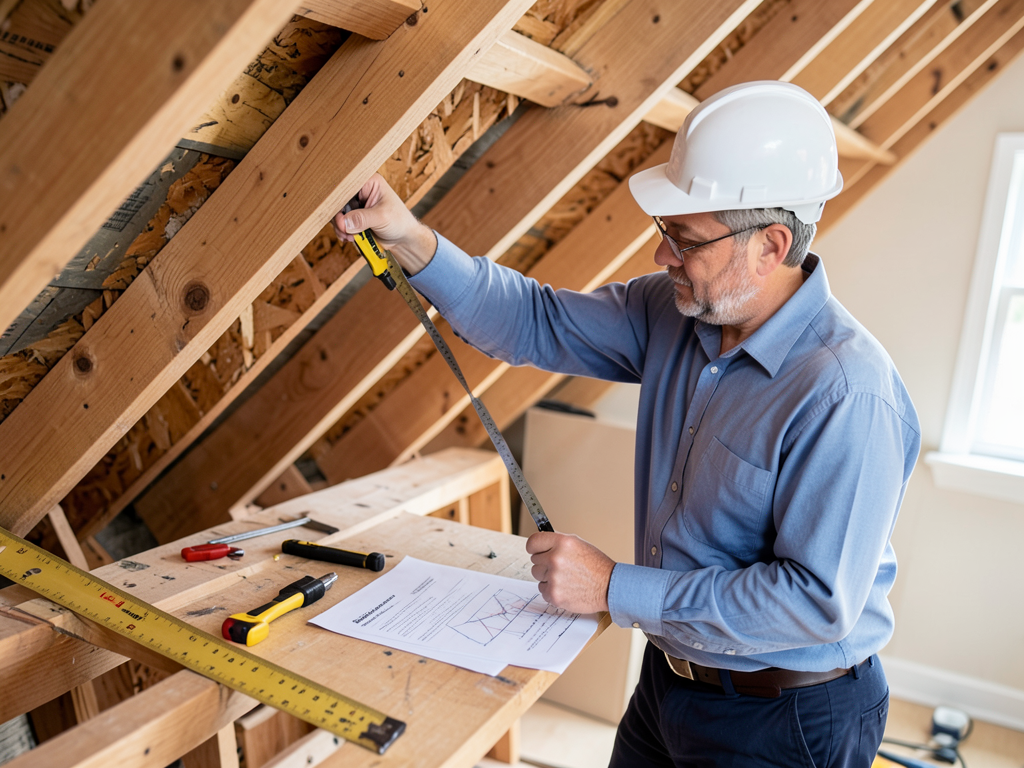
The Real Cost and Complexity of Adding a Rooftop Deck to Your Reynoldstown Townhome Adding…
Do not wait until small problems become major damage. Call First Choice Roofing Atlanta at (770) 610-9366 for thorough inspection and straightforward answers about your roof's condition. We provide detailed written estimates with no pressure and no obligation, just honest assessment from experienced professionals.