




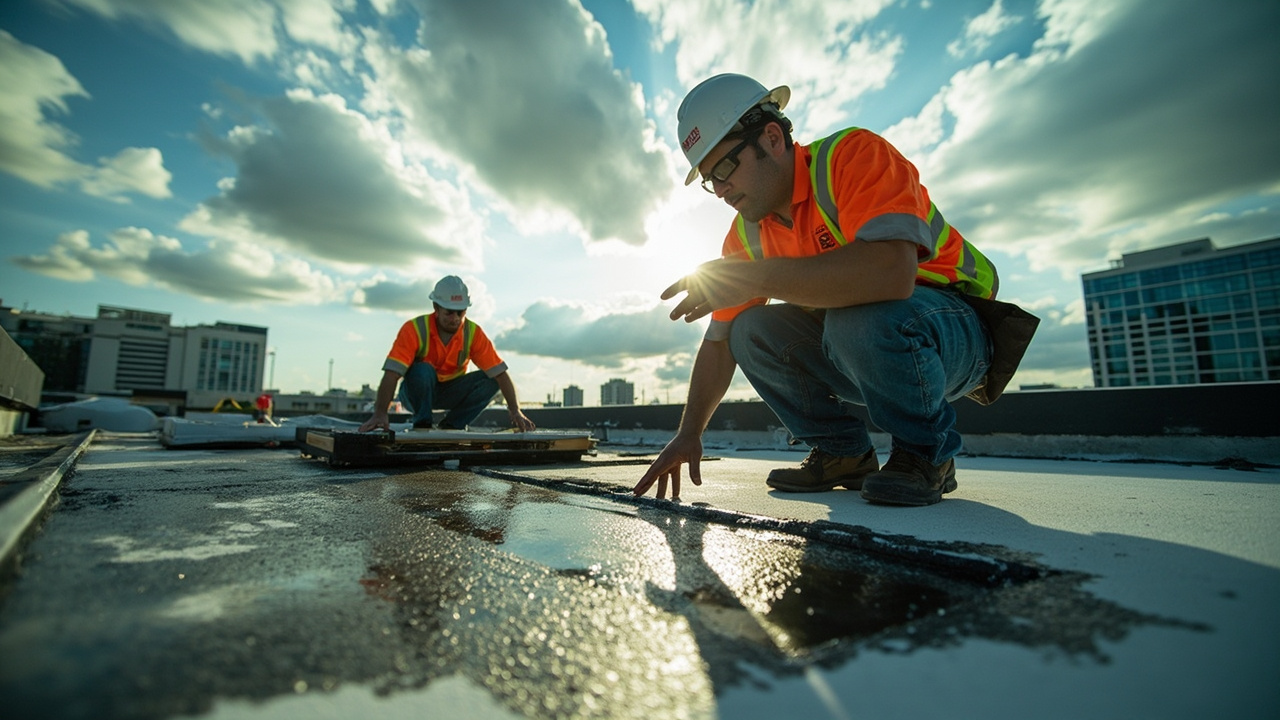

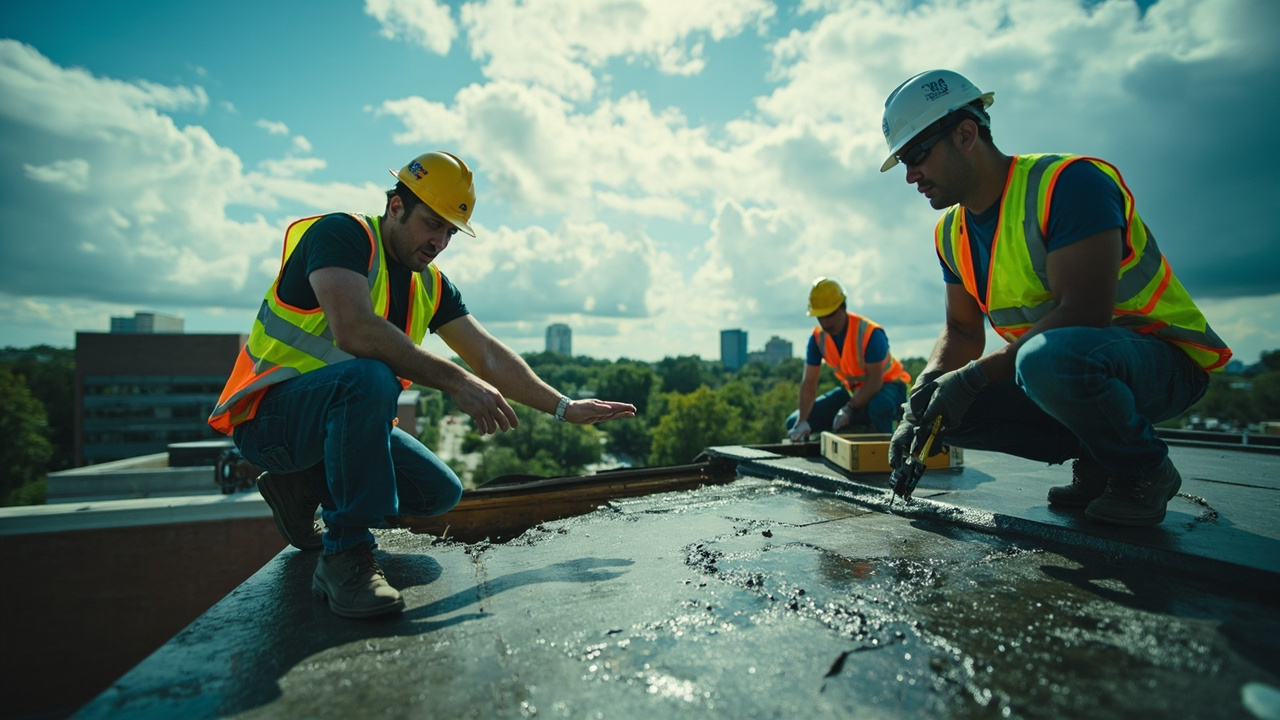
Atlanta sits at the intersection of Gulf moisture and Appalachian weather systems, creating severe thunderstorm conditions with minimal warning. The city experiences an average of 47 thunderstorm days annually, with peak activity from March through September. These storms generate straight-line winds exceeding 60 mph, hail up to two inches in diameter, and rainfall rates surpassing three inches per hour. Commercial flat roofs with compromised flashing, aging membrane seams, or inadequate drainage systems fail catastrophically under these conditions. A roof that survived ten years of normal weather can breach completely during a single severe storm event, flooding your facility within minutes.
Metro Atlanta's commercial building stock includes thousands of pre-2000 structures with original roofing systems nearing end-of-service life. Many of these buildings house distribution centers, manufacturing facilities, and retail operations along the I-85 and I-285 corridors. When roof failure occurs, business owners need contractors who understand Atlanta's permitting requirements, can source materials from local suppliers within hours, and have working relationships with commercial insurance adjusters familiar with regional storm damage patterns. Local expertise means faster material procurement, accurate damage assessment based on regional weather history, and repairs that account for Atlanta's specific wind load and drainage requirements.