


menu

Critter & Pest Damage in Atlanta – Expert Wildlife Intrusion Diagnosis and Permanent Roof Repairs

First Choice Roofing Atlanta identifies hidden animal entry points, repairs structural roof damage caused by rodents and vermin, and implements exclusion systems to stop repeat wildlife intrusions across metro Atlanta homes.

Slider Image 1
Slider Image 2
Slider Image 3
Slider Image 4
Slider Image 5
Slider Image 7
Slider Image 8
Slider Image 9
Slider Image 10
Slider Image 11

Why Atlanta Roofs Attract Raccoons, Squirrels, and Rodents Year-Round

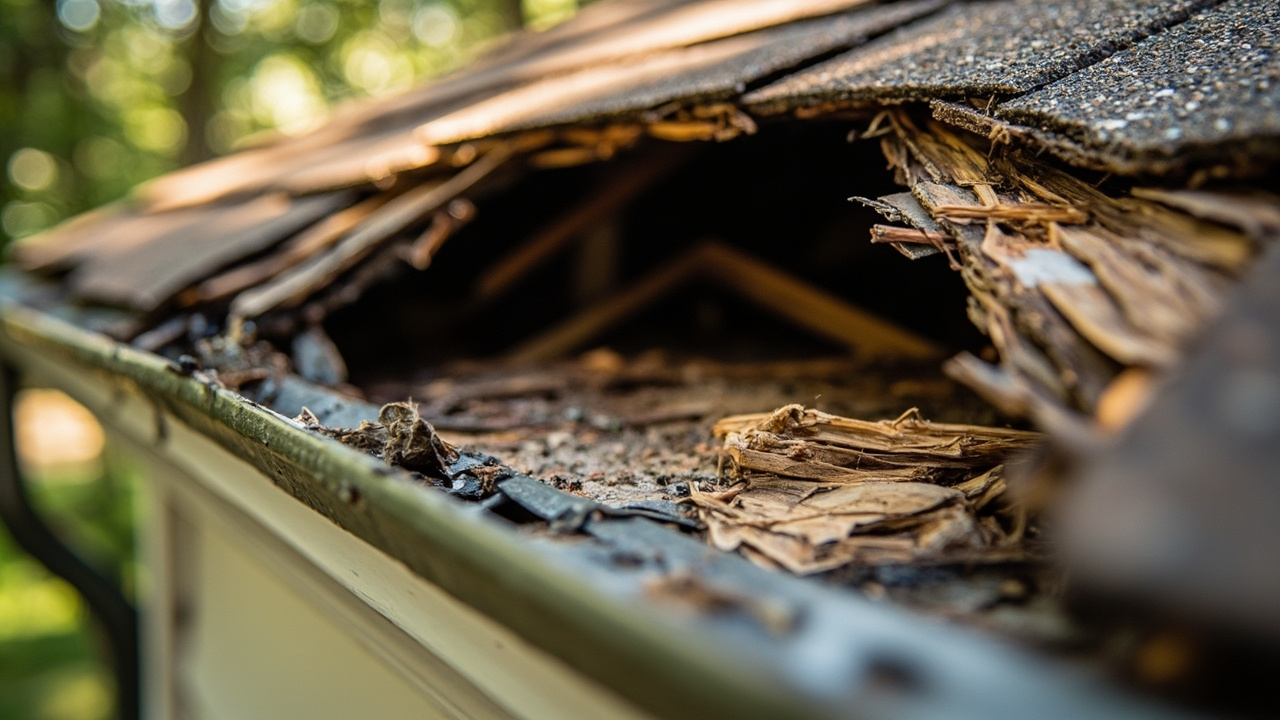
Atlanta's mild winters and dense tree canopy create perfect conditions for roof wildlife damage. Raccoons, squirrels, rats, and opossums do not hibernate here. They actively search for warm, dry nesting sites from October through March, targeting attic spaces through compromised roof penetrations.

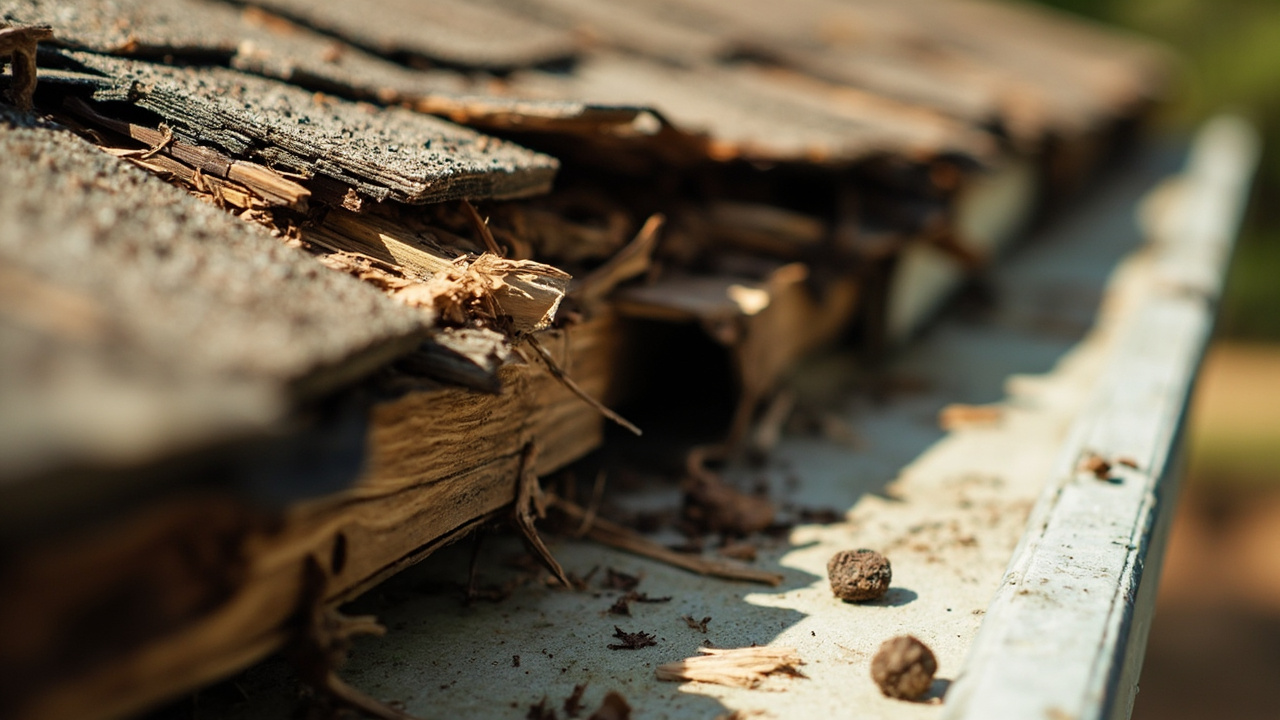
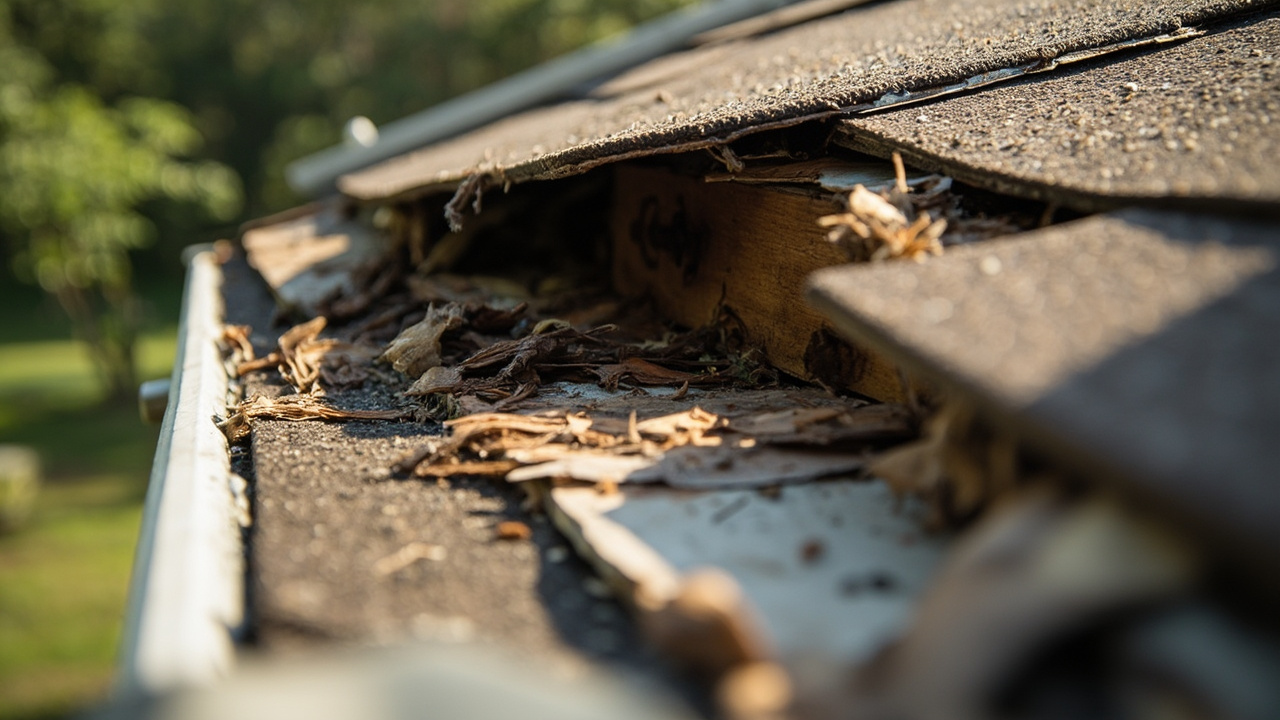
Your roof has multiple weak points. Raccoons tear through weathered fascia boards and ridge vents. Squirrels gnaw through builder-grade plastic soffit vents in under 20 minutes. Rats exploit gaps around plumbing stacks and exhaust vents smaller than a quarter. Once inside, these animals destroy insulation, chew wiring, and create fire hazards.

The humid subtropical climate accelerates animal intrusion roofing problems. Summer storms loosen flashing and shingles, creating entry gaps. Winter freeze-thaw cycles warp wood decking around chimneys and skylights. Animals detect these vulnerabilities through scent and temperature differentials.

Neighborhoods near Piedmont Park, the Chattahoochee River corridor, and wooded subdivisions in Buckhead and Druid Hills see elevated rodent roof damage. Older homes with original wood soffits and unscreened gable vents face the highest risk. New construction is not immune. Builders often use lightweight materials that fail under animal pressure.

You might hear scratching at dawn or dusk. You might see chewed fascia edges or displaced shingles. By the time you notice exterior damage, animals have usually nested for weeks. The longer they stay, the more vermin roof destruction compounds. Urine soaks through insulation into drywall. Feces attract secondary pest infestations.

Pest damage shingles do not heal themselves. Small holes become large openings during the next storm. What starts as one squirrel becomes a family of six.

Why Atlanta Roofs Attract Raccoons, Squirrels, and Rodents Year-Round
How We Stop Animal Damage and Repair Structural Roof Compromises

How We Stop Animal Damage and Repair Structural Roof Compromises

First Choice Roofing Atlanta uses a multi-stage process that addresses both the immediate damage and the root cause. We do not patch holes and leave. We eliminate access points, repair structural damage, and install exclusion barriers engineered for Atlanta's wildlife species.

We start with a full perimeter inspection using thermal imaging cameras. This technology reveals hidden entry points where body heat escapes through gaps you cannot see from the ground. Raccoons often create secondary exits behind chimneys. Squirrels gnaw through decking near valley intersections. Standard visual inspections miss these.

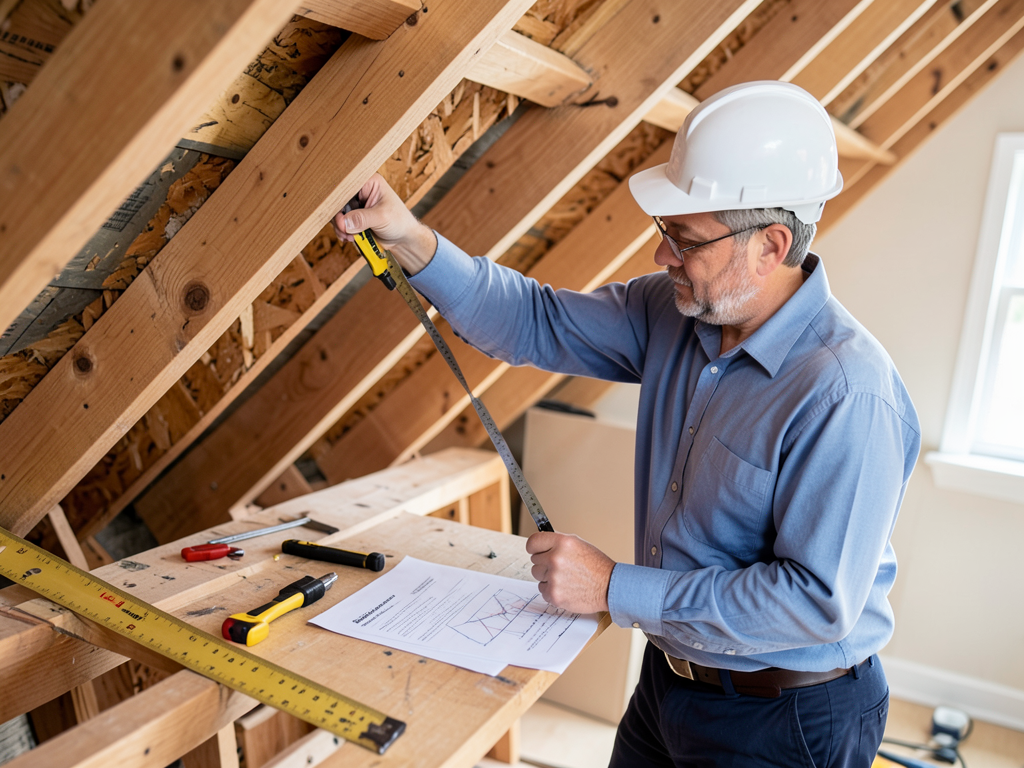
After documenting all penetrations, we assess structural integrity. Animal intrusion roofing compromises more than shingles. We check roof decking for rot, inspect trusses for gnaw damage, and evaluate attic ventilation systems. Rodents chew through ridge vent baffles, disrupting airflow and trapping moisture. This creates mold conditions within weeks.

Our repair methodology follows Georgia building codes and manufacturer specifications. We replace damaged decking with properly rated plywood or OSB. We install heavy-gauge galvanized steel flashing around chimneys and skylights, which animals cannot bend or chew. We seal plumbing stack penetrations with compression boots, not caulk that squirrels remove.

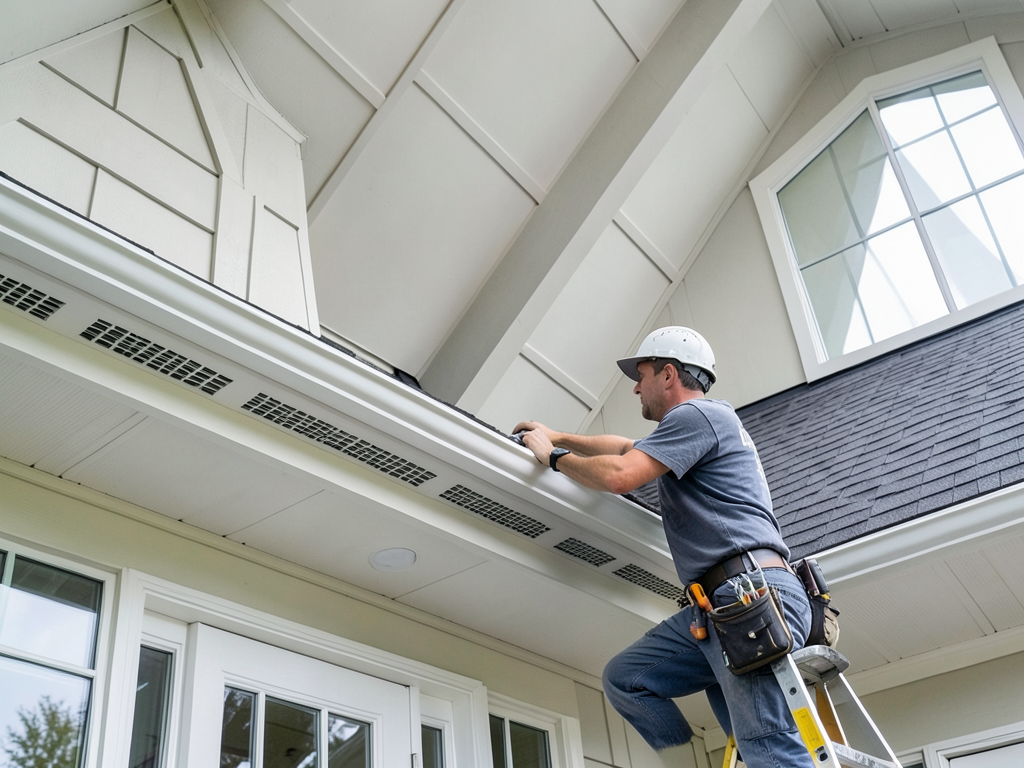
For fascia and soffit repairs, we use rot-resistant materials like PVC-coated aluminum or fiber cement. These materials outlast wood and resist gnawing. We screen all gable vents with 16-gauge hardware cloth, not window screen. We install one-way exclusion doors at active entry points, allowing animals to leave but not return.

We coordinate with licensed wildlife removal specialists when animals are present. We do not trap or relocate, but we time repairs to prevent entrapment inside attic spaces.

How Animal Damage Roof Repair Works in Three Stages

Critter & Pest Damage in Atlanta – Expert Wildlife Intrusion Diagnosis and Permanent Roof Repairs
01

Thermal Inspection and Documentation

We scan your entire roof system with infrared cameras during early morning or evening hours when temperature differentials are highest. This reveals active entry points, hidden nests, and compromised insulation zones. We photograph all damage, measure gap dimensions, and create a prioritized repair map. You receive a digital report showing exactly where animals entered and what structural components need replacement before we begin any work.
02

Structural Repair and Exclusion

We remove damaged decking, fascia, and soffit materials down to structural framing. Rotted wood gets replaced with pressure-treated lumber or composite materials rated for Georgia's humidity. All roof penetrations receive metal flashing with overlapping seams that animals cannot pry apart. We install hardware cloth barriers inside attic spaces behind vents and screen all gable openings with corrosion-resistant mesh. Ridge vents get reinforced with solid backer boards to prevent future compression damage.
03

Final Sealing and Monitoring

After structural repairs, we seal all secondary gaps using polyurethane foam and metal patching. We install drip edge with hemmed edges that raccoons cannot lift. All work receives a secondary thermal scan to confirm no heat loss through repaired areas. You get a maintenance checklist identifying vulnerable points to monitor quarterly, plus documentation for insurance claims. We schedule a six-month follow-up inspection to verify exclusion systems remain intact through seasonal weather changes.

Why Atlanta Homeowners Choose Local Roof Wildlife Damage Specialists

First Choice Roofing Atlanta understands the specific animal species active in metro Atlanta and their seasonal behavior patterns. National franchises use generic repair methods. We address the exact entry techniques raccoons use on Buckhead's Tudor-style homes versus the soffit vulnerabilities common in Virginia-Highland bungalows.

We know which materials fail in Georgia's climate. Standard wood filler cracks within one summer due to humidity expansion. Plastic vent covers warp under direct sun exposure, creating new gaps by the following winter. We source commercial-grade metal components from local suppliers, ensuring same-day replacement part availability.

Our crew recognizes the architectural styles prevalent across Atlanta neighborhoods. Historic Grant Park homes have decorative wood trim that requires custom metal fabrication to maintain appearance while preventing animal access. Newer Smyrna subdivisions use engineered roof systems with specific fastener requirements. Using incorrect attachment methods voids manufacturer warranties.

We maintain relationships with Fulton, DeKalb, and Cobb County building inspectors. When animal damage compromises structural integrity enough to require permits, we handle all documentation and scheduling. Out-of-state contractors often misinterpret Georgia amendment codes related to roof decking replacement percentages.

Atlanta's oak, pine, and sweetgum trees create constant organic debris on roofs. This debris traps moisture and gives rodents scent trails to follow. We educate homeowners on vegetation management strategies specific to local tree species, extending the life of exclusion repairs.

You also get response priority during storm seasons. When May thunderstorms or January ice events damage emergency repairs, local crews reach you within hours. National companies dispatch from regional hubs, creating multi-day delays.

We document all work with georeferenced photos for insurance claims. Atlanta's insurance carriers have specific documentation requirements. We know what State Farm, Allstate, and local adjusters need to approve animal damage claims without disputes.

What Happens During Your Roof Wildlife Damage Repair

Response Time and Scheduling

We schedule initial inspections within 48 hours of your call. Emergency situations, like active water intrusion through animal entry points, receive same-day assessment. Most thermal inspections take 90 minutes to two hours. You receive a written repair proposal within 24 hours, breaking down structural work, materials, and exclusion installations separately. Standard repairs begin within five business days. Complex projects requiring custom metal fabrication or permit approvals start within two weeks. We work year-round, but schedule major decking replacements during dry weather windows to protect your interior.

Inspection and Damage Assessment

Our assessment covers five roof zones: penetrations, transitions, edges, ventilation, and structural decking. We enter attic spaces to inspect from below, identifying staining, insulation damage, and active nesting sites. The thermal scan runs continuously for 15 minutes, capturing temperature data across all roof planes. We test soffit and fascia boards for rot using resistance meters. You walk the property with our inspector, viewing tablet images of damage locations in real time. We identify whether damage requires cosmetic repairs or structural reconstruction. The assessment includes written recommendations for exclusion strategies based on the specific animal species and entry methods found.

Completed Repair Standards

All structural repairs match or exceed original roof system specifications. Replaced decking receives the same thickness and span rating as existing materials. New shingles match your current roof color and architectural style. Metal flashing installations include ice and water barrier underlayment extended six inches beyond all edges. Exclusion screens get fastened every four inches using corrosion-resistant fasteners. We remove all damaged materials and animal waste from your property, disposing of contaminated insulation according to Fulton County biohazard guidelines. The completed roof passes our internal checklist before final walkthrough. You receive before and after photos of all repair zones.

Follow-Up and Monitoring

We provide written maintenance guidance specific to your roof configuration and the animal species excluded. This includes quarterly inspection points you can check from the ground, like fascia board edges and soffit vent conditions. Our six-month follow-up inspection verifies all exclusion barriers remain secure and no new entry attempts occurred. If animals breach repaired areas within the first year due to installation failure, we return to reinforce at no charge. This does not cover new damage to adjacent roof areas or repeated intrusions through homeowner-created openings. We offer annual inspection contracts for homes in high-risk wildlife corridors, catching small vulnerabilities before they become major problems.

Frequently Asked Questions

You Have Questions,
We Have Answers

What is the hardest pest to get rid of? +

Bed bugs are the hardest pest to eliminate. They hide in microscopic cracks, reproduce quickly, and resist many treatments. German cockroaches rank second due to their rapid breeding cycles and resistance to common pesticides. In Atlanta's humid climate, termites also present challenges because colonies spread beneath structures before you notice damage. Bed bugs require multiple professional treatments, high-heat applications, and thorough inspections of furniture, baseboards, and electrical outlets. You cannot rely on DIY sprays. These pests demand trained technicians with commercial-grade equipment and proven protocols to break the breeding cycle completely.

Is critter control the same as pest control? +

Critter control and pest control overlap but target different animals. Pest control handles insects like ants, roaches, and termites. Critter control focuses on larger wildlife such as raccoons, squirrels, opossums, and bats common in Atlanta neighborhoods. Many companies offer both services, but the methods differ. Pest control uses chemical treatments and baits. Critter control requires trapping, exclusion work, and sealing entry points on your roof, soffits, and foundation. Atlanta's wooded residential areas attract raccoons and squirrels year-round, making critter control a separate specialty that demands wildlife knowledge and humane removal practices.

What are the types of damage by pests? +

Pests cause structural damage, health hazards, and contamination. Termites eat wood framing and floor joists, weakening your home's foundation. Rodents chew electrical wiring, creating fire risks, and gnaw through insulation. Raccoons tear roof shingles and damage attic insulation while nesting. Carpenter ants tunnel through structural beams. Roaches spread bacteria and trigger asthma in children. Bats leave toxic guano that damages drywall and creates respiratory hazards. In Atlanta, moisture from high humidity accelerates wood rot when termites or carpenter ants invade. Each pest creates unique destruction patterns that require specific identification and targeted removal strategies.

What pest is most damaging to a house? +

Termites cause the most structural damage to Atlanta homes. Subterranean termites thrive in Georgia's clay soil and humid climate, eating wood framing, floor joists, and roof decking 24 hours daily. A mature colony consumes up to one pound of wood per day. You will not see them until damage appears because they work inside walls and beneath floors. Termites cost homeowners billions annually in repairs. Carpenter ants rank second, hollowing out structural beams to build nests. Both pests exploit Atlanta's moisture-prone crawl spaces and humid summers, making professional inspections critical for early detection and prevention.

How to permanently get rid of pests? +

You cannot permanently eliminate pests without ongoing prevention. Start with a professional inspection to identify entry points, moisture sources, and nesting areas. Seal cracks in your foundation, repair damaged roof vents, and install door sweeps. Remove food sources by storing pantry items in sealed containers and fixing plumbing leaks. Trim tree branches that touch your roofline because squirrels and ants use them as bridges. In Atlanta, manage humidity in crawl spaces with vapor barriers and dehumidifiers to deter termites and roaches. Schedule quarterly inspections to catch new activity early. Prevention beats reaction every time.

What is considered a severe pest infestation? +

A severe infestation means pests reproduce faster than treatments can control them. For roaches, seeing them during daylight signals overcrowding because they are nocturnal. Rodent infestations become severe when you hear scratching in walls constantly, find droppings throughout multiple rooms, or smell urine odors. Termite damage becomes severe when you notice sagging floors, hollow-sounding wood, or visible mud tubes on foundation walls. Bed bug infestations turn severe when bites appear on multiple family members nightly. In Atlanta's older neighborhoods, severe infestations often involve multiple pest types requiring coordinated treatment plans and structural repairs.

What are the signs of a critter problem? +

Look for droppings, gnaw marks, and unusual sounds. Rodents leave rice-sized droppings in pantries, attics, and along baseboards. You will hear scratching or scurrying in walls and ceilings at night. Squirrels and raccoons create loud thumping sounds in attics. Check for chewed wires, shredded insulation, or torn ductwork. Outside, notice burrows near your foundation or displaced mulch. Raccoons tear roof shingles when entering attics. In Atlanta, inspect your roof edges and soffit vents after storms because wind damage creates new entry points. Grease marks along walls indicate rodent travel paths requiring immediate investigation.

What is the average cost for an exterminator to get rid of mice? +

Mouse extermination costs vary based on infestation severity, home size, and access challenges. Expect to pay for an inspection, trap placement, exclusion work, and follow-up visits. Most Atlanta companies charge separately for sealing entry points because mice enter through gaps as small as a dime. Initial treatment handles active infestations, but exclusion work prevents re-entry. Crawl space treatments cost more due to access difficulty. Ask for itemized quotes covering inspection, trapping, sanitation, and exclusion. Prices fluctuate based on whether mice nested in walls, attics, or crawl spaces. Get multiple estimates before committing.

Do I have to wash everything after pest control? +

You should wash dishes, utensils, and food prep surfaces after interior pest treatments. Wipe down countertops and tables where treatments were applied. Wash pet bowls and children's toys that contacted treated floors. You do not need to wash clothing in closets or bedding unless the technician treated those areas directly. For exterior-only treatments, minimal interior cleaning is required. Ask your technician which rooms received product application. In Atlanta's humid climate, allow treated surfaces to dry completely before wiping to ensure chemicals bond properly. Always follow your technician's specific instructions based on products used and application methods.

Is pest damage covered by homeowners insurance? +

Homeowners insurance rarely covers pest damage or removal. Standard policies exclude termites, rodents, insects, and wildlife damage because insurers classify pest problems as preventable maintenance issues. If a rodent chews wiring and causes a fire, the fire damage may be covered, but not the rodent removal. Some policies cover sudden wildlife damage, like a raccoon tearing through your roof during a storm, but exclude ongoing infestations. Review your Atlanta policy carefully. Termite damage never receives coverage. You need separate pest control contracts and termite bonds to protect your investment and avoid costly surprise repairs.

How Atlanta's Urban Forest and Mild Winters Intensify Year-Round Roof Wildlife Pressure

Atlanta maintains over 100,000 acres of tree canopy across the metro area, giving raccoons, squirrels, and flying squirrels direct roof access from overhanging branches. Winter temperatures rarely drop below 20 degrees for extended periods, meaning rodents and mammals stay active all year searching for nesting sites. Your attic maintains 15 to 30 degrees warmer than outside air during cold snaps, creating a detectable heat signature animals follow. Subdivisions near Stone Mountain, the Chattahoochee National Recreation Area, and Kennesaw Mountain see the highest intrusion rates due to adjacent wildlife corridors. Homes with mature oaks within 10 feet of the roofline experience triple the entry attempts compared to homes with cleared perimeters.

Georgia building codes require roof repairs affecting more than 25 percent of any roof plane to meet current wind uplift standards, which changed in 2020 following regional storm damage assessments. First Choice Roofing Atlanta stays current on these amendments, ensuring animal damage repairs do not inadvertently void your existing roof warranty or create code violations during future home sales. We also understand local insurance carrier requirements. Many Atlanta-based carriers now require photographic evidence of exclusion measures before approving claims for repeat animal damage. Our documentation process satisfies these requirements upfront, preventing claim denials and reducing your out-of-pocket costs during restoration.
Roofing Services in The Atlanta Area

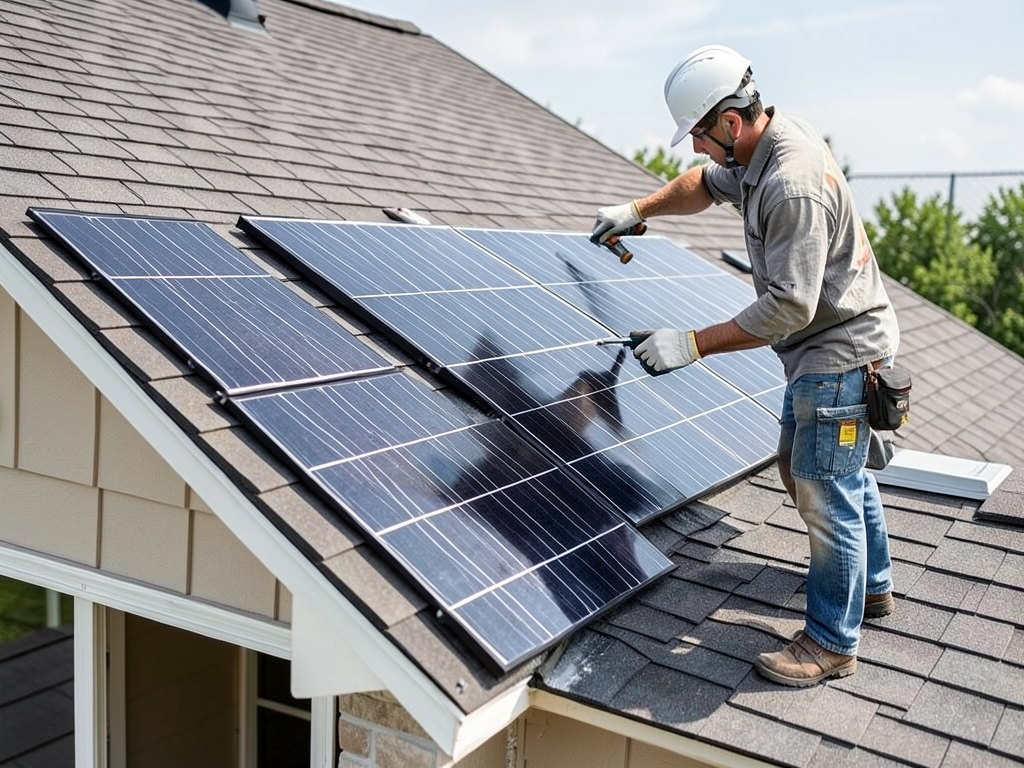
Whether you are in need of a new roof, a quick repair, or a detailed inspection, our team is ready to serve you. We are proud to be a trusted part of the Atlanta community, and you can find our business location on the map below. Feel free to visit us or contact us today to discuss your next project. We look forward to working with you and protecting your property.

Address:
First Choice Roofing Atlanta, 3630 Peachtree Rd NE, Atlanta, GA, 30326

Additional Services We Offer

Our news updates

Latest Articles & News from The Blogs

Dealing with Acidic Rain and Pollution Buildup on Rooftops in Downtown Atlanta Atlanta’s urban environment creates unique challenges for rooftop…

Dealing with Acidic Rain and Pollution Buildup on Rooftops in Downtown Atlanta

Dealing with Acidic Rain and Pollution Buildup on Rooftops in Downtown Atlanta Atlanta’s urban environment creates unique challenges for rooftop…

Why Your Roof Pitch Limits Which Shingles You Can Use for Your Alpharetta Remodel

Roof pitch determines everything from water drainage to material compatibility when you’re planning a roof replacement in Alpharetta. The slope…

Comparing 3-Tab and Architectural Shingles for First-Time Homebuyers in Kennesaw

Comparing 3-Tab and Architectural Shingles for First-Time Homebuyers in Kennesaw First-time homebuyers in Kennesaw face many decisions when purchasing their…

Contact Us

Animal intrusions worsen with every passing week. Call First Choice Roofing Atlanta at (770) 610-9366 now to schedule your thermal roof inspection. We identify every entry point, explain repair options, and implement exclusion systems that keep wildlife out permanently.